In modern rolling mill operations, the quality of rolls directly impacts production efficiency, surface finish, durability, and overall operating cost. Choosing the right chilled cast iron roll manufacturer is therefore a critical decision for steel plants, re-rolling mills, aluminum industries, and metal processing units.
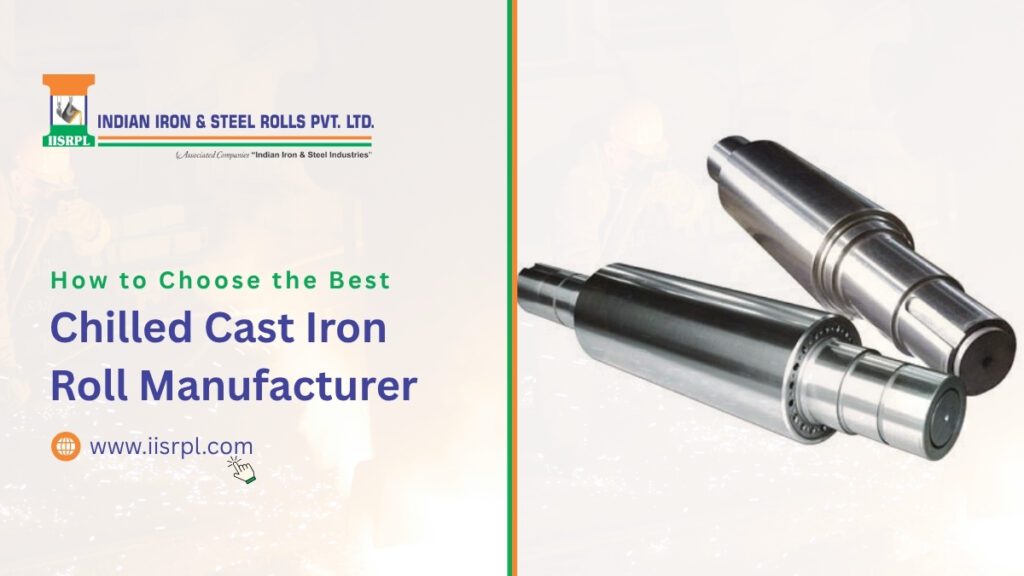
With many manufacturers available in the market, selecting the best supplier can be challenging. This guide explains the important factors you should evaluate before choosing a chilled cast iron roll manufacturer for your industrial requirements.
What Are Chilled Cast Iron Rolls?
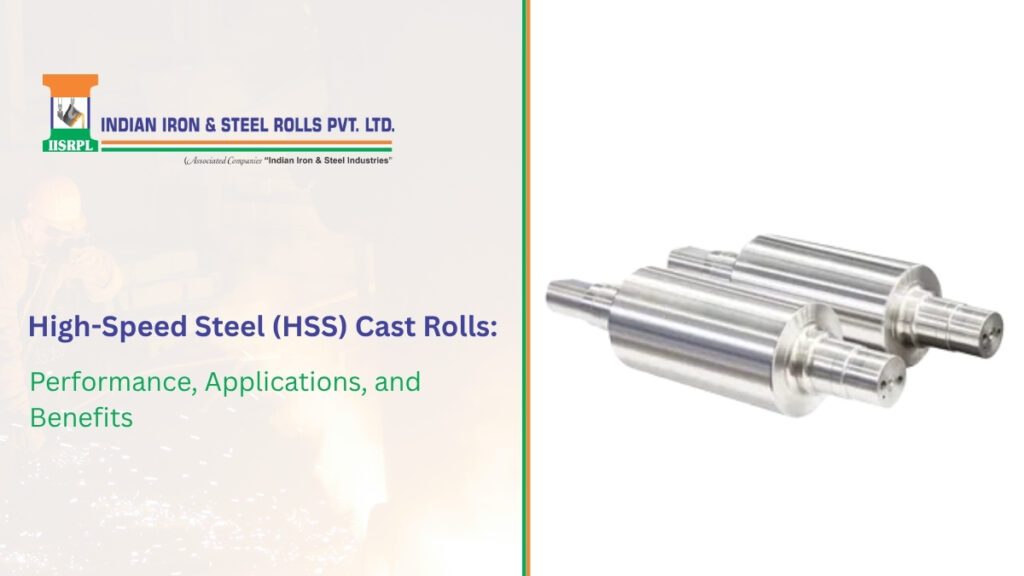
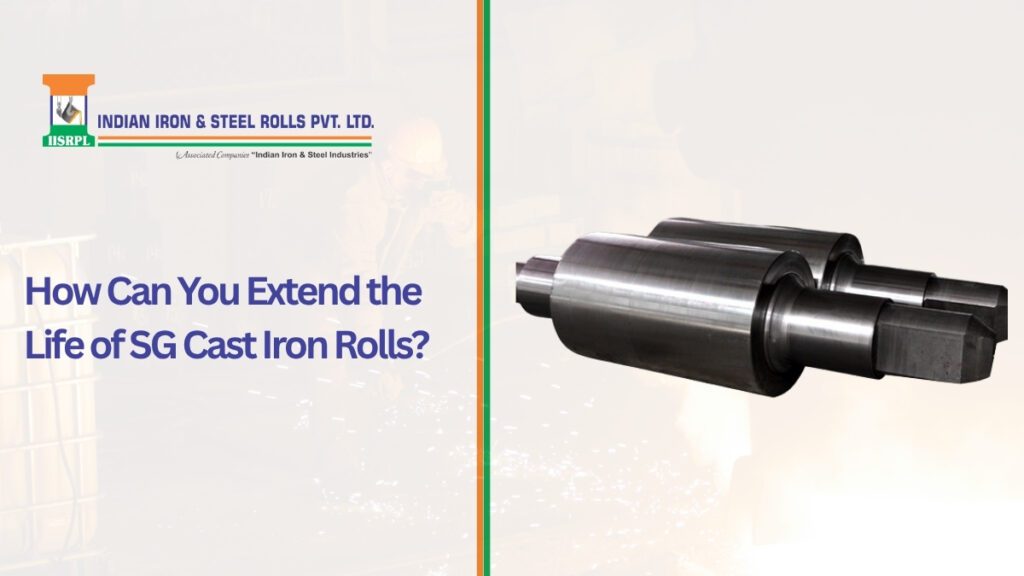
Chilled cast iron rolls are specially engineered rolls used in rolling mills to process metals such as steel, aluminum, copper, and other alloys. These rolls are manufactured using controlled chilling techniques that create a hard outer surface while maintaining a tough inner core.
The hardened surface provides:
- High wear resistance
- Excellent surface finish
- Better strength
- Long operational life
- Improved rolling performance
These rolls are widely used in:
- Steel rolling mills
- Sheet metal industries
- Pipe manufacturing plants
- Bar and wire mills
- Aluminum rolling industries
Importance of Selecting the Right Chilled Cast Iron Roll Manufacturer
Choosing the right chilled cast iron roll manufacturer plays a vital role in the overall performance of rolling mill operations. The quality of rolls depends on factors such as raw materials, casting techniques, machining accuracy, and heat treatment processes. Low-quality rolls can affect production efficiency and lead to frequent operational problems.
Some common problems associated with poor-quality rolls include:
- Frequent roll damage
- Production delays and downtime
- Uneven surface finish
- Increased maintenance requirements
- Reduced operational efficiency
A professional and experienced manufacturer ensures superior product quality, dependable performance, and long-lasting chilled cast iron rolls that support smooth industrial operations.
Factors to Consider When Choosing the Best Chilled Cast Iron Roll Manufacturer
1. Manufacturing Experience and Industry Expertise
Experience is one of the most important factors when selecting a manufacturer. Companies with years of expertise understand industrial standards, rolling mill requirements, and material behavior under high pressure.
Look for manufacturers that:
- Have extensive industry experience
- Serve multiple industrial sectors
- Understand custom roll requirements
- Offer technical consultation
Experienced manufacturers can recommend the right roll specifications for different applications.
2. Quality of Raw Materials
The durability and efficiency of chilled cast iron rolls depend greatly on the quality of raw materials used during production.
A trusted manufacturer should use:
- High-grade cast iron
- Alloy-based materials
- Controlled chemical compositions
- Advanced metallurgical processes
Premium raw materials improve hardness, wear resistance, and thermal stability.
3. Advanced Manufacturing Technology
Modern manufacturing technology ensures consistency and precision in roll production.
Choose manufacturers that use:
- CNC machining systems
- Automated casting processes
- Precision grinding equipment
- Advanced heat treatment facilities
- Quality inspection instruments
Technologically advanced manufacturers produce rolls with superior dimensional accuracy and surface finish.
4. Customization Capabilities
Every rolling mill has different operational requirements. A good chilled cast iron roll manufacturer should provide customized solutions based on:
- Roll dimensions
- Hardness requirements
- Surface finish
- Material grades
- Rolling applications
Customized rolls improve productivity and reduce operational issues.
5. Quality Control and Testing Standards
Quality assurance is essential in roll manufacturing. Reliable manufacturers follow strict inspection and testing procedures before delivery.
Check whether the company performs:
- Hardness testing
- Ultrasonic testing
- Chemical analysis
- Dimensional inspection
- Surface crack detection
- Balancing tests
Manufacturers with certified quality systems ensure consistent performance and reliability.
6. Product Range and Industrial Applications
A versatile manufacturer can supply rolls for various industries and rolling processes.
Common products include:
- Chilled cast iron rolls
- Alloy cast iron rolls
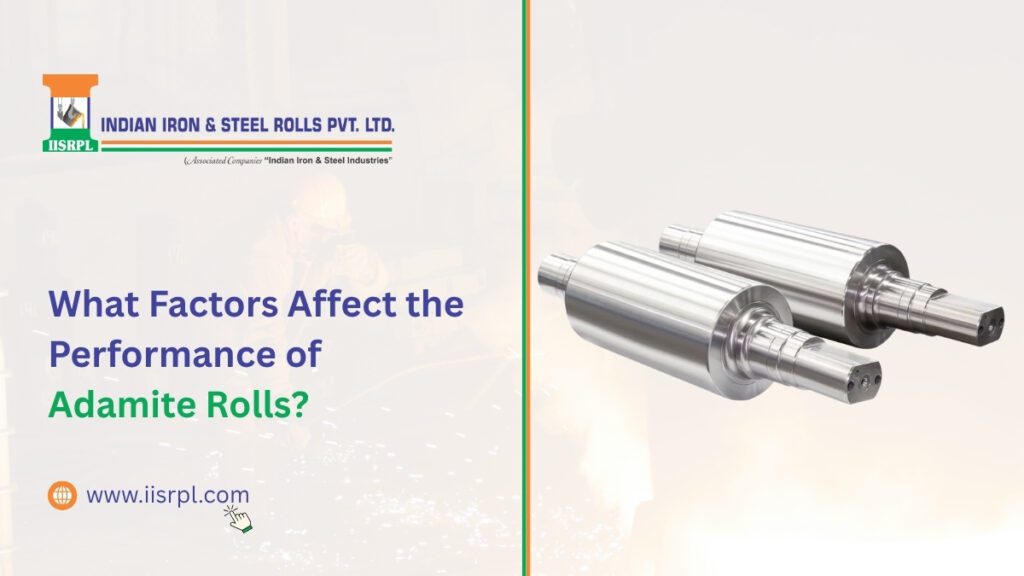
- Adamite rolls
- S.G. iron rolls
- Definite chill rolls
- Indefinite chill rolls
A broader product range reflects technical expertise and manufacturing strength.
7. Reputation and Client Reviews
Customer feedback helps evaluate a manufacturer’s reliability and service quality.
Before finalizing a supplier:
- Read online reviews
- Check client testimonials
- Review project portfolios
- Ask for industry references
A manufacturer with a strong reputation is more likely to deliver quality products and timely support.
8. Delivery Capability and After-Sales Support
Timely delivery is crucial for industrial operations. Delays in roll supply can impact production schedules and increase downtime.
Choose a manufacturer that offers:
- Fast production timelines
- Reliable logistics support
- Technical assistance
- After-sales service
- Roll maintenance guidance
Strong customer support ensures long-term business relationships.
9. Compliance with Industry Standards
The best manufacturers comply with national and international quality standards.
Look for certifications such as:
- ISO certifications
- Quality management systems
- Material testing standards
- Industrial safety compliance
Certified manufacturers maintain better quality consistency and manufacturing discipline.
10. Cost vs Quality
Price should never be the only deciding factor. Low-cost rolls may lead to frequent replacements and higher maintenance expenses.
Instead, focus on:
- Product durability
- Performance consistency
- Operational efficiency
- Long-term value
Investing in premium-quality chilled cast iron rolls reduces overall production costs.
Benefits of High-Quality Chilled Cast Iron Rolls
Choosing the right manufacturer offers several advantages:
Improved Wear Resistance
High-quality rolls last longer under heavy industrial loads.
Better Surface Finish
Precision-engineered rolls provide smoother metal finishing.
Increased Production Efficiency
Durable rolls reduce downtime and improve rolling speed.
Lower Maintenance Costs
Reliable rolls require fewer replacements and repairs.
Enhanced Operational Stability
Properly manufactured rolls perform consistently in demanding environments.
Questions to Ask Before Choosing a Manufacturer
Before placing an order, ask the manufacturer:
- What industries do you serve?
- What materials are used in manufacturing?
- Do you offer customized roll solutions?
- What quality testing methods do you follow?
- What is your delivery timeline?
- Do you provide technical support?
- Can you share client references or case studies?
These questions help assess technical capability and professionalism.
Future of Chilled Cast Iron Roll Manufacturing
The rolling mill industry is evolving rapidly with advanced metallurgy and automation technologies. Modern manufacturers are increasingly focusing on:
- Improved alloy compositions
- Energy-efficient production
- Enhanced wear resistance
- Precision engineering
- Smart quality monitoring systems
Manufacturers adopting modern technologies are better equipped to meet future industrial demands.
Conclusion
Selecting the best chilled cast iron roll manufacturer is essential for achieving high production efficiency, product quality, and long-term operational reliability. Factors such as manufacturing experience, material quality, technology, customization capability, and quality control should always be carefully evaluated.
A trusted manufacturer not only supplies durable rolls but also provides technical expertise and dependable customer support. Investing in high-quality chilled cast iron rolls ultimately improves productivity, reduces downtime, and enhances overall industrial performance.
Businesses looking for reliable rolling mill solutions should always partner with experienced and quality-focused chilled cast iron roll manufacturers to ensure maximum operational success.