In the highly competitive steel manufacturing industry, minimizing downtime is critical for maintaining productivity, reducing operational costs, and meeting delivery schedules. Every minute a rolling mill remains inactive due to roll failure, excessive wear, or maintenance directly impacts profitability. This is where Adamite rolls have become an essential solution for modern steel mills.
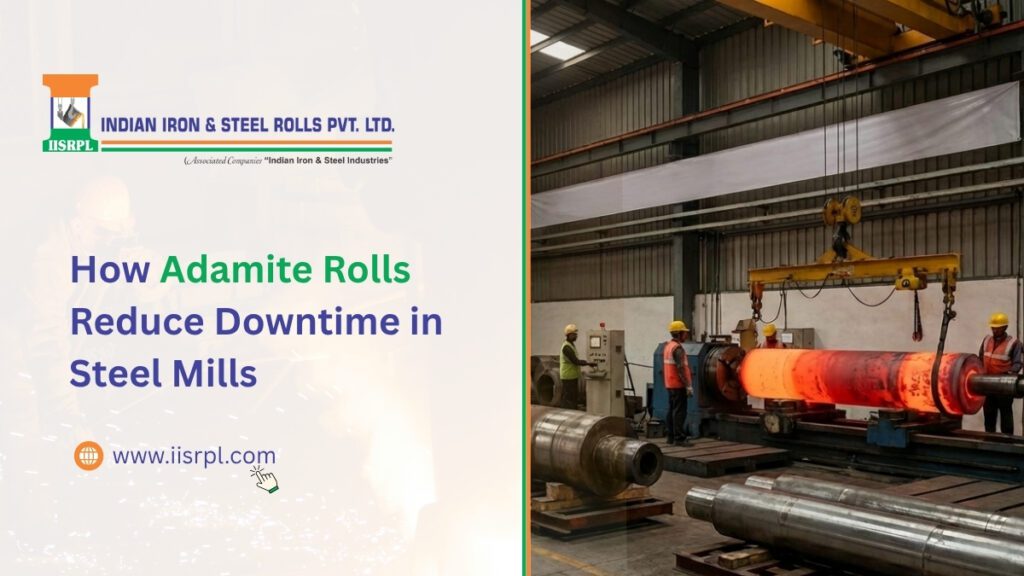
Known for their balanced combination of strength, hardness, and wear resistance, Adamite rolls help rolling mills achieve longer service life, stable performance, and fewer production interruptions. Their ability to withstand demanding rolling conditions makes them a preferred choice in section mills, bar mills, and structural steel production.
What Are Adamite Rolls?
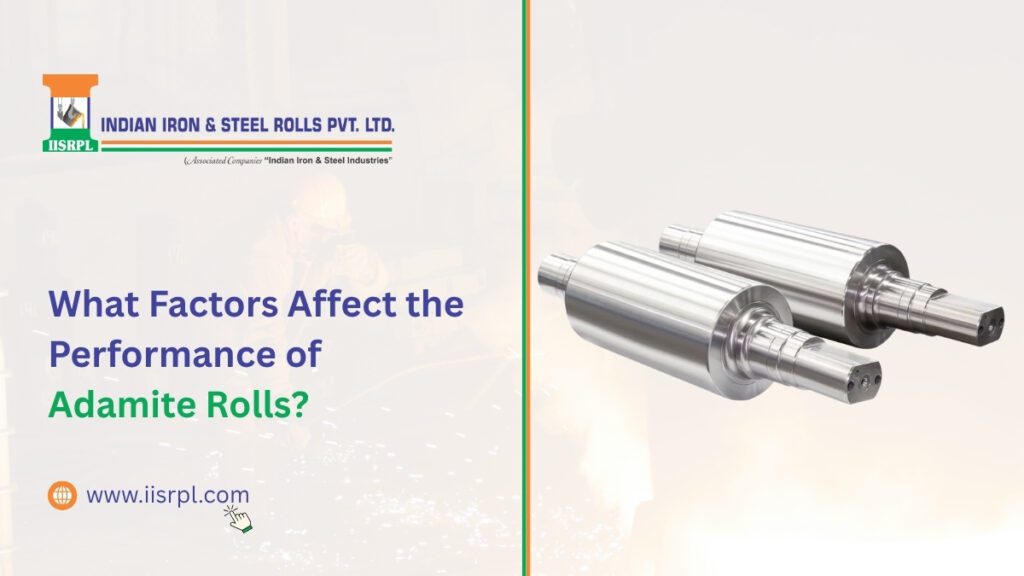
Adamite rolls are a special category of rolls manufactured using an alloyed iron material that combines the properties of steel and cast iron. They typically contain:
- Carbon
- Nickel
- Chromium
- Molybdenum
This composition creates a microstructure that offers:
- Excellent wear resistance
- High thermal stability
- Good toughness
- Resistance to cracking and spalling
Because of these characteristics, Adamite rolls are widely used in intermediate and finishing stands where both durability and surface quality are important.
The Cost of Downtime in Steel Mills
Downtime in rolling mills can occur due to several reasons:
- Roll wear
- Surface cracking
- Roll breakage
- Frequent roll changes
- Unplanned maintenance
- Inconsistent product quality
These issues not only stop production but also increase labor costs, energy consumption, and material waste. In high-volume steel plants, even short interruptions can result in substantial financial losses.
Using high-performance roll materials such as Adamite helps reduce these operational challenges significantly.
How Adamite Rolls Reduce Downtime
1. Superior Wear Resistance
One of the primary reasons for downtime is rapid roll wear. Conventional rolls may degrade quickly under high temperatures and heavy rolling loads, requiring frequent replacement.
Adamite rolls offer enhanced wear resistance due to their alloy composition and controlled hardness. This allows them to maintain their profile and surface quality for longer production runs.
Benefits:
- Longer campaign life
- Fewer roll changes
- Reduced production interruptions
- Consistent dimensional accuracy
By extending operational life, Adamite rolls help mills maintain continuous production with minimal stoppages.
2. Reduced Roll Change Frequency
Every roll change involves:
- Machine shutdown
- Cooling time
- Labor involvement
- Recalibration
- Alignment adjustments
Frequent roll replacements significantly reduce mill efficiency.
Because Adamite rolls last longer than standard cast iron rolls, mills can operate for extended periods without interruptions. This directly improves equipment availability and overall productivity.
Result:
- Higher rolling efficiency
- Lower maintenance time
- Increased production output
3. Excellent Thermal Crack Resistance
Rolling operations generate extreme heat and thermal cycling. Inferior roll materials may develop thermal cracks, leading to premature failure and unplanned shutdowns.
Adamite rolls possess strong thermal fatigue resistance, enabling them to withstand repeated heating and cooling cycles without surface damage.
Advantages:
- Lower risk of roll failure
- Stable rolling performance
- Reduced emergency maintenance
This reliability is especially important in high-speed rolling applications.
4. Improved Surface Quality
Poor roll surface conditions can create defects on finished steel products, including:
- Surface marks
- Scale defects
- Inconsistent dimensions
- Poor finish quality
These defects often require rework or production stoppages.
Adamite rolls maintain smoother surfaces for longer durations, improving product consistency and reducing quality-related downtime.
Outcome:
- Better finished product quality
- Reduced rejection rates
- Fewer production disruptions
5. Enhanced Mechanical Strength
Steel mills operate under extremely high rolling pressures. Weak rolls are more susceptible to breakage, which can halt operations unexpectedly.
Adamite rolls offer an excellent balance between hardness and toughness, making them capable of handling heavy mechanical loads without failure.
Key Benefits:
- Reduced risk of catastrophic breakage
- Improved operational safety
- More reliable mill performance
This mechanical reliability minimizes sudden downtime events.
6. Better Cost Efficiency Over Time
Although Adamite rolls may involve a higher initial investment compared to conventional rolls, they deliver substantial long-term savings through:
- Reduced maintenance costs
- Lower roll consumption
- Decreased labor requirements
- Less production downtime
- Improved operational efficiency
For steel manufacturers, the total lifecycle cost becomes significantly lower.
Applications of Adamite Rolls in Steel Mills
Adamite rolls are commonly used in:
- Section mills
- Bar mills
- Structural rolling mills
- Intermediate stands
- Finishing stands
They are particularly effective in operations requiring a balance of wear resistance and toughness.
Adamite Rolls vs Traditional Roll Materials
| Feature | Adamite Rolls | Conventional Cast Iron Rolls |
| Wear Resistance | High | Moderate |
| Thermal Crack Resistance | Excellent | Lower |
| Roll Life | Longer | Shorter |
| Downtime Reduction | Significant | Limited |
| Surface Finish Quality | Superior | Average |
| Maintenance Frequency | Lower | Higher |
This comparison highlights why many steel manufacturers are shifting toward Adamite roll technology.
Best Practices for Maximizing Adamite Roll Performance
To achieve the best results from Adamite rolls, steel mills should follow proper operational practices:
- Proper Cooling
Maintain consistent cooling systems to avoid thermal stress.
- Correct Grinding
Use accurate grinding procedures to preserve roll geometry and surface quality.
- Routine Inspection
Monitor rolls regularly for wear patterns and surface conditions.
- Optimized Rolling Parameters
Avoid excessive rolling loads and improper mill settings.
With proper maintenance, Adamite rolls can deliver exceptional operational reliability and longevity.
Future of Adamite Rolls in Steel Manufacturing
As steel mills continue focusing on productivity, automation, and cost reduction, the demand for advanced roll materials will continue to grow.
Adamite rolls are expected to play a major role in:
- High-speed rolling operations
- Energy-efficient steel production
- Smart manufacturing systems
- Reduced maintenance strategies
Their ability to improve uptime and operational stability makes them a valuable investment for modern steel plants.
Conclusion
Reducing downtime is one of the biggest priorities in steel manufacturing, and Adamite rolls provide an effective solution for achieving this goal. Their superior wear resistance, thermal stability, mechanical strength, and longer service life help rolling mills maintain continuous operations with fewer interruptions.
By reducing roll changes, minimizing maintenance, and improving product quality, Adamite rolls contribute directly to higher productivity and lower operational costs. For steel mills aiming to enhance efficiency and competitiveness, investing in high-quality Adamite rolls is a strategic decision that delivers long-term performance benefits.