The rolling mill industry plays an important role in Punjab’s growing manufacturing and steel-processing sector. From producing structural sections and bars to processing various steel products, rolling mills depend on reliable equipment that can perform under high pressure, temperature, and continuous operating conditions.
Among the most critical components in any rolling mill are heavy duty rolls. These rolls are directly involved in shaping and reducing metal during the rolling process, making their strength, durability, dimensional accuracy, and surface quality essential for consistent production.
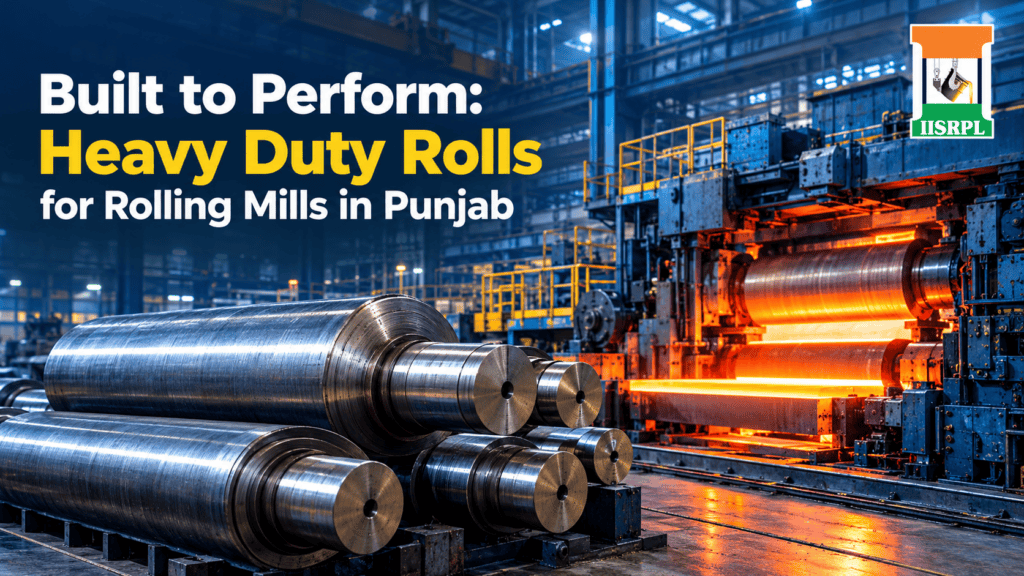
For rolling mills in Punjab, selecting the right heavy duty rolls can help support stable production, reduce unplanned downtime, and maintain the required quality of finished products.
What Are Heavy Duty Rolls?
Heavy duty rolls are specially engineered cylindrical components used in rolling mills to apply controlled pressure to metal and transform it into the required thickness, shape, or profile.
During operation, rolling mill rolls are exposed to demanding conditions, including:
- High mechanical loads
- Repeated impact and pressure
- Friction and wear
- Elevated operating temperatures
- Continuous production cycles
- Surface and dimensional stresses
Because of these conditions, ordinary rolls may not always provide the required service life or performance. Heavy duty rolls are manufactured with materials, designs, and production processes intended to withstand demanding industrial applications.
Why Heavy Duty Rolls Are Important for Rolling Mills
The performance of a rolling mill is closely connected to the condition of its rolls. Worn, damaged, or improperly manufactured rolls can affect production efficiency and the quality of the final product.
High-quality heavy duty rolls can contribute to:
1. Consistent Rolling Performance
Precision-manufactured rolls help maintain consistent contact and pressure during rolling. This can support uniform processing and help maintain product dimensions throughout production.
2. Improved Wear Resistance
Rolling mills operate continuously and place considerable stress on their rolls. Rolls with suitable material properties and surface characteristics can withstand abrasive and mechanical wear for longer periods.
3. Reduced Downtime
Unexpected roll failure can interrupt production and result in maintenance costs and lost operating time. Durable rolls can help reduce the frequency of replacement and maintenance interventions when properly selected and maintained.
4. Better Surface Quality
The surface condition of a roll can influence the finish of the material being processed. Properly manufactured and maintained rolls can help achieve the required surface characteristics of rolled products.
5. Reliable Heavy-Duty Operation
Rolling mill applications can involve substantial forces. Heavy duty rolls are designed to withstand demanding operating conditions while maintaining their structural integrity and dimensional stability.
Heavy Duty Rolls for Punjab’s Rolling Mill Industry
Punjab has a significant industrial base, with manufacturing and metal-processing activities concentrated in areas such as Ludhiana, Mandi Gobindgarh, Jalandhar, Amritsar, and other industrial regions.
Rolling mills serving construction, infrastructure, engineering, and manufacturing markets require equipment capable of supporting demanding production schedules. This creates a strong need for dependable and accurately manufactured rolling mill rolls.
For manufacturers and operators in Punjab, choosing locally accessible and technically capable roll suppliers can also simplify communication, inspection, maintenance support, and replacement requirements.
Applications of Rolling Mill Rolls
Heavy duty rolls are used across different stages and types of rolling operations. Depending on the mill configuration and product being manufactured, applications may include:
- Steel rolling mills
- Bar mills
- Section mills
- Structural mills
- Re-rolling mills
- Rod mills
- Strip and sheet processing
- Billet and bloom processing
- Industrial metal-forming applications
The specific roll design and material should be selected according to the mill type, rolling process, material being processed, operating temperature, rolling load, and required product specifications.
Key Features to Look for in Heavy Duty Rolls
When purchasing or replacing rolling mill rolls, several technical factors should be considered.
High Mechanical Strength
Rolls need to withstand significant rolling forces without excessive deformation or failure. The appropriate material and heat-treatment process can play an important role in achieving the required mechanical properties.
Wear Resistance
Continuous rolling creates friction and surface wear. Good wear resistance can help extend roll service life and maintain performance over extended operating periods.
Dimensional Accuracy
Precision is essential in rolling operations. Proper roll dimensions, geometry, and machining can help maintain consistent rolling conditions and product dimensions.
Surface Finish
A controlled and suitable surface finish can contribute to reliable material contact and help minimize undesirable marks or defects on the rolled product.
Thermal Stability
Depending on the rolling process, rolls may be exposed to elevated temperatures and repeated thermal cycles. Appropriate roll materials and manufacturing processes can help manage these conditions.
Long Service Life
A durable roll can reduce the frequency of replacement and help support uninterrupted production. Service life, however, depends not only on roll quality but also on operating conditions, cooling, alignment, maintenance, and mill setup.
Manufacturing Quality Matters
The performance of a heavy duty roll begins with its manufacturing process. Quality-focused production typically involves careful material selection, controlled heat treatment, precision machining, dimensional inspection, and appropriate surface finishing.
Before selecting a supplier, rolling mill operators should consider whether the manufacturer can provide rolls according to the required technical specifications.
Important considerations may include:
- Roll dimensions
- Material grade
- Hardness requirements
- Heat-treatment specifications
- Surface finish
- Tolerance requirements
- Application-specific design
- Inspection and testing procedures
- Expected operating conditions
A roll should not be selected solely on price. The correct balance between initial cost, performance, service life, and maintenance requirements is important for overall operational efficiency.
Choosing the Right Heavy Duty Rolls
Every rolling mill has different operating requirements. A roll suitable for one application may not be appropriate for another.
Before ordering heavy duty rolls, manufacturers should evaluate:
- Type of rolling mill – Different mill configurations require different roll specifications.
- Material being rolled – Steel grade and product type can influence roll selection.
- Rolling load – The expected force and operating pressure should be considered.
- Operating temperature – Thermal conditions can affect roll performance and service life.
- Roll dimensions – Diameter, length, neck dimensions, and other measurements must match the equipment.
- Surface requirements – The desired finish and application can determine the appropriate roll surface.
- Production volume – Continuous and high-volume operations may require enhanced wear resistance and durability.
- Maintenance practices – Proper inspection, grinding, cooling, and alignment can significantly affect roll life.
Maintenance of Heavy Duty Rolling Mill Rolls
Even high-quality rolls require proper maintenance. Regular inspection can help identify problems before they develop into major production issues.
Recommended maintenance practices may include:
- Inspecting rolls for cracks, scoring, and excessive wear
- Monitoring roll diameter and profile
- Maintaining proper alignment
- Following recommended cooling practices
- Checking roll surfaces regularly
- Performing grinding or reconditioning when required
- Monitoring unusual vibration or operating noise
- Replacing damaged rolls promptly
- Maintaining accurate records of roll usage and performance
Proper maintenance can help maximize roll life and maintain consistent rolling conditions.
Why Quality Rolls Matter for Production Efficiency
In a rolling mill, even a small reduction in equipment performance can affect production over time. Roll wear can influence dimensions, surface quality, energy consumption, and maintenance requirements.
Investing in properly engineered heavy duty rolls can therefore be viewed as part of an overall production-efficiency strategy.
The objective is not simply to purchase a roll that fits the mill. The goal is to select a roll that is technically suitable for the application, durable under actual operating conditions, and capable of delivering consistent performance.
Heavy Duty Rolls for Industrial Applications in Punjab
Punjab’s industrial ecosystem continues to support a wide range of engineering, manufacturing, fabrication, and metal-processing activities. Rolling mills operating in this environment require components that can withstand demanding production conditions.
Heavy duty rolls designed for industrial applications can provide the strength and reliability required for repeated rolling operations. Whether used in a steel re-rolling mill, bar mill, section mill, or another metal-processing operation, the correct roll specification can make a significant difference to operating performance.
For businesses in Punjab, working with an experienced roll manufacturer or supplier can also provide access to application-specific guidance and customized specifications.
Conclusion
Heavy duty rolls are fundamental components of modern rolling mill operations. Their strength, wear resistance, dimensional accuracy, and surface quality can directly influence production consistency and equipment reliability.
For rolling mills in Punjab, selecting the right rolls requires careful consideration of the mill configuration, material being processed, operating conditions, dimensions, and expected service requirements.
Built to perform means more than simply being strong. It means engineering rolling mill rolls for the specific demands of the application. With the right specifications, manufacturing quality, inspection, and maintenance practices, heavy duty rolls can support reliable rolling operations and help businesses maintain consistent production.
If you are looking for heavy duty rolls for rolling mills in Punjab, focus on quality, application suitability, manufacturing precision, and long-term performance rather than price alone. The right roll can become an important part of a more reliable and efficient rolling process.