Abstract
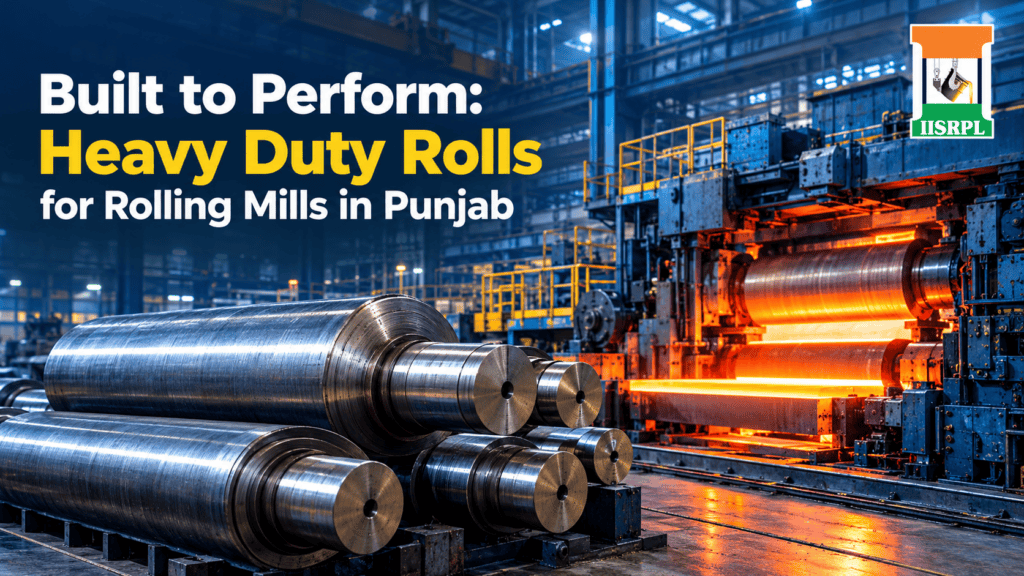
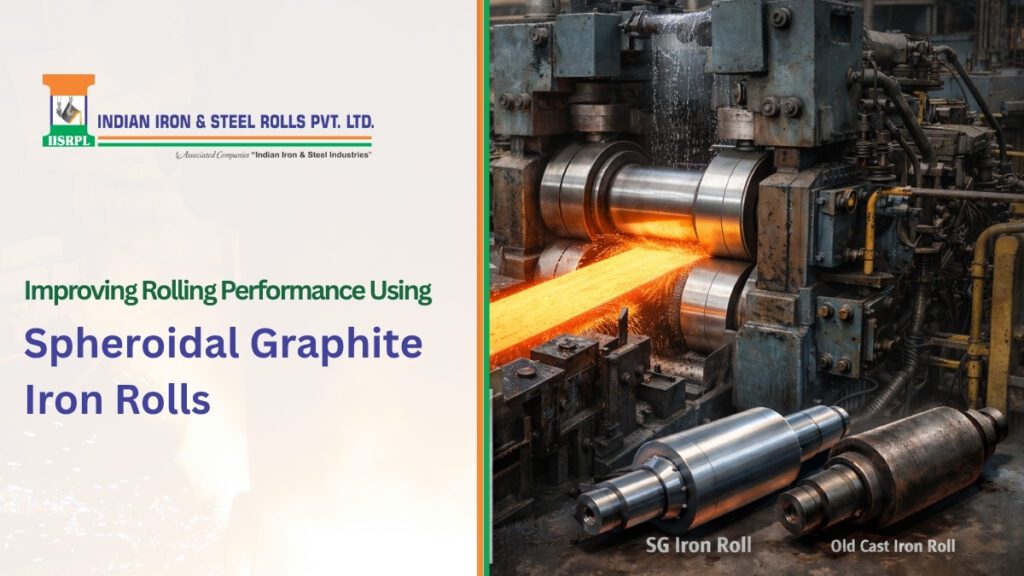
Rolling mills demand high-performance materials capable of withstanding severe mechanical and thermal stresses. Spheroidal Graphite Iron (SGI) rolls have emerged as a reliable solution due to their superior strength, wear resistance, and thermal stability. This blog explores how SGI rolls contribute to improved rolling performance, focusing on their material characteristics, operational advantages, and industrial applications.
1. Introduction
Rolling is a critical process in metal forming industries, where efficiency and product quality depend heavily on roll material. Traditional roll materials often face limitations such as rapid wear, thermal cracking, and inconsistent performance. The introduction of Spheroidal Graphite Iron rolls has addressed many of these issues, offering a balance of strength, toughness, and durability.
2. Material Characteristics of SGI Rolls
2.1 Microstructure
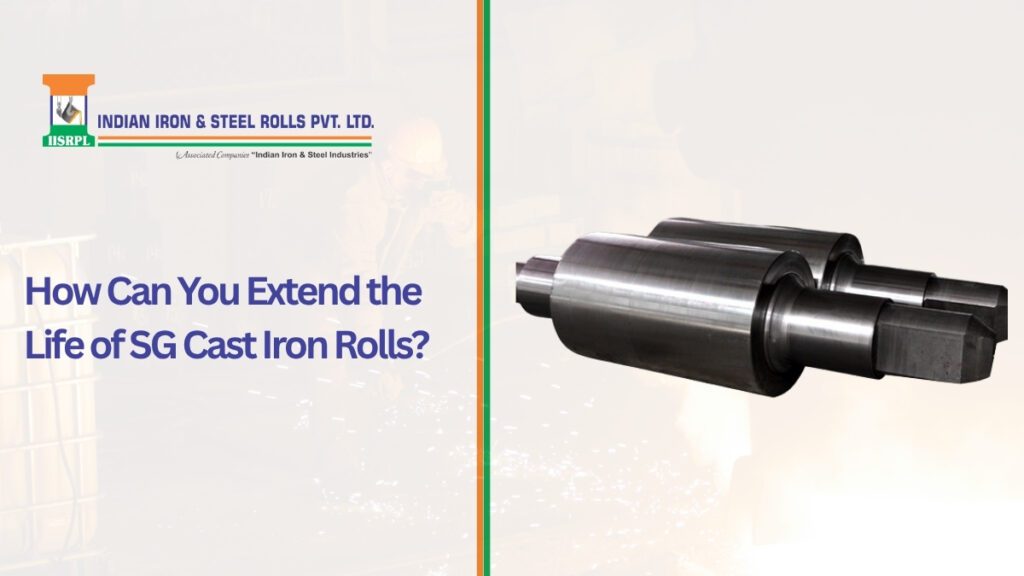
SGI is characterized by graphite in a spheroidal (nodular) form, unlike flake graphite in gray iron. This structure enhances mechanical properties by reducing stress concentration points and improving ductility.
2.2 Mechanical Properties
SGI rolls exhibit:
- High tensile strength
- Good impact resistance
- Enhanced fatigue strength
These properties allow them to endure repeated loading during rolling operations.
2.3 Thermal Properties
SGI offers excellent thermal conductivity and resistance to thermal fatigue, which is essential in hot rolling environments where temperature fluctuations are frequent.
3. Advantages in Rolling Performance
3.1 Improved Wear Resistance
The nodular graphite structure minimizes surface degradation, leading to longer roll life and reduced replacement frequency.
3.2 Enhanced Surface Quality
SGI rolls maintain smoother surfaces over time, resulting in better finish and dimensional accuracy of rolled products.
3.3 Resistance to Cracking
Compared to conventional materials, SGI rolls are less prone to thermal and mechanical cracking, ensuring consistent performance.
3.4 Cost Efficiency
Although initial costs may be comparable, SGI rolls reduce overall operational costs through:
- Lower maintenance requirements
- Reduced downtime
- Longer service life
4. Applications in Rolling Mills
SGI rolls are widely used in:
- Section mills
- Bar and rod mills
- Structural rolling operations
Their adaptability makes them suitable for both roughing and intermediate stands.
5. Factors Influencing Performance
5.1 Alloy Composition
Elements such as nickel, chromium, and molybdenum are often added to enhance hardness and wear resistance.
5.2 Heat Treatment
Proper heat treatment improves microstructure uniformity and mechanical strength.
5.3 Operating Conditions
Performance depends on:
- Load distribution
- Rolling speed
- Cooling practices
Optimizing these factors maximizes the benefits of SGI rolls.
6. Challenges and Considerations
While SGI rolls offer many advantages, certain considerations remain:
- Sensitivity to improper heat treatment
- Need for controlled cooling to avoid thermal shock
- Material selection based on specific mill requirements
7. Future Trends
Advancements in metallurgy and manufacturing processes are expected to further enhance SGI roll performance. Innovations include:
- Advanced alloying techniques
- Improved casting methods
- Integration with digital monitoring systems for predictive maintenance
Conclusion
Spheroidal Graphite Iron (SGI) rolls play a crucial role in improving rolling performance by offering a unique combination of strength, durability, and thermal stability. Their adoption in modern rolling mills, including implementations such as IISRPL (Indian Iron Steel Rolls Pvt Ltd), leads to enhanced efficiency, better product quality, and reduced operational costs. As technology advances, SGI rolls are expected to become even more integral to high-performance rolling operations.
If “IISRPL” refers to a specific process, company, or technology, I can tailor the sentence more precisely—just tell me what it stands for.