Introduction
Selecting the right chilled cast iron roll manufacturer is one of the most important decisions for steel mills, rolling mills, and metal processing industries. The quality of rolling mill rolls directly influences production efficiency, surface finish, dimensional accuracy, and operating costs. High-quality chilled cast iron rolls offer superior hardness, excellent wear resistance, and a longer service life, making them an ideal choice for demanding rolling applications.
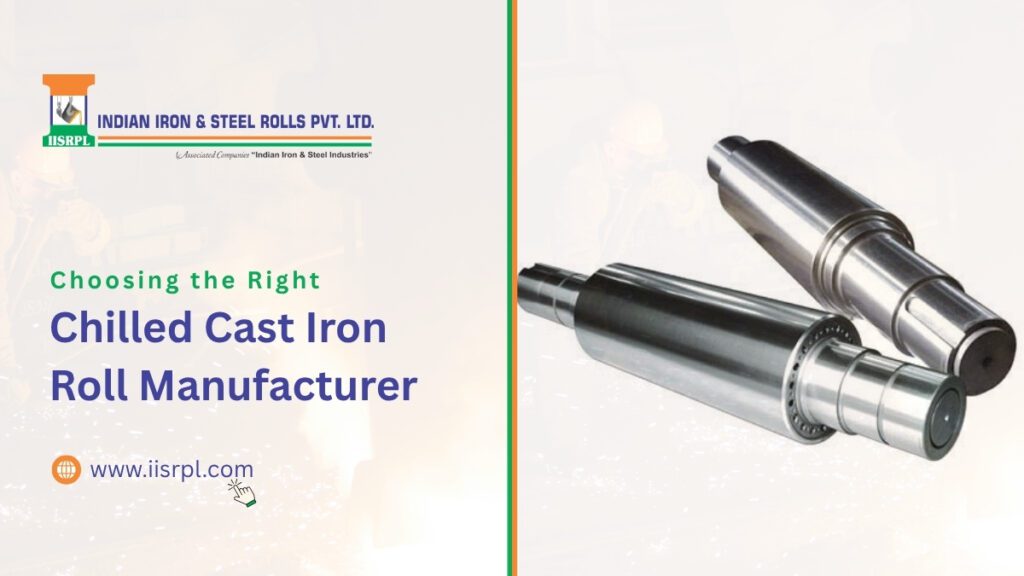
This guide explains what chilled cast iron rolls are, their benefits, the industries that use them, and the key factors to consider when choosing a reliable manufacturer.
What Is a Chilled Cast Iron Roll?
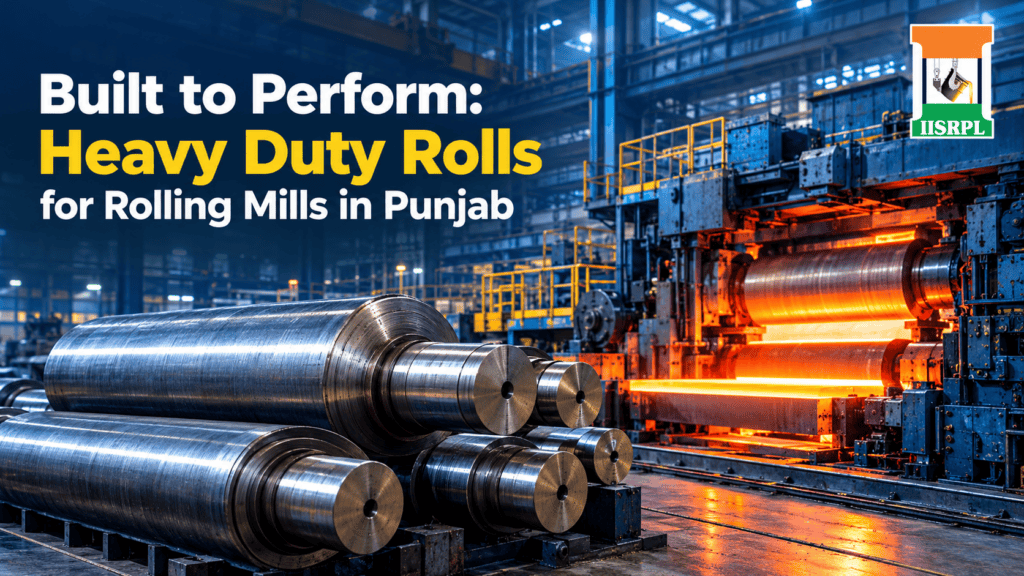
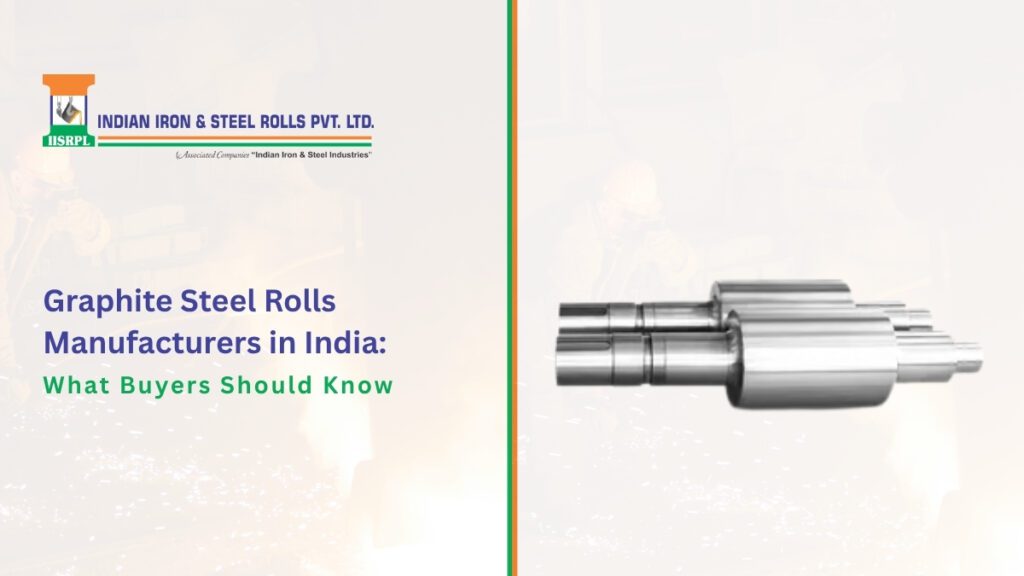
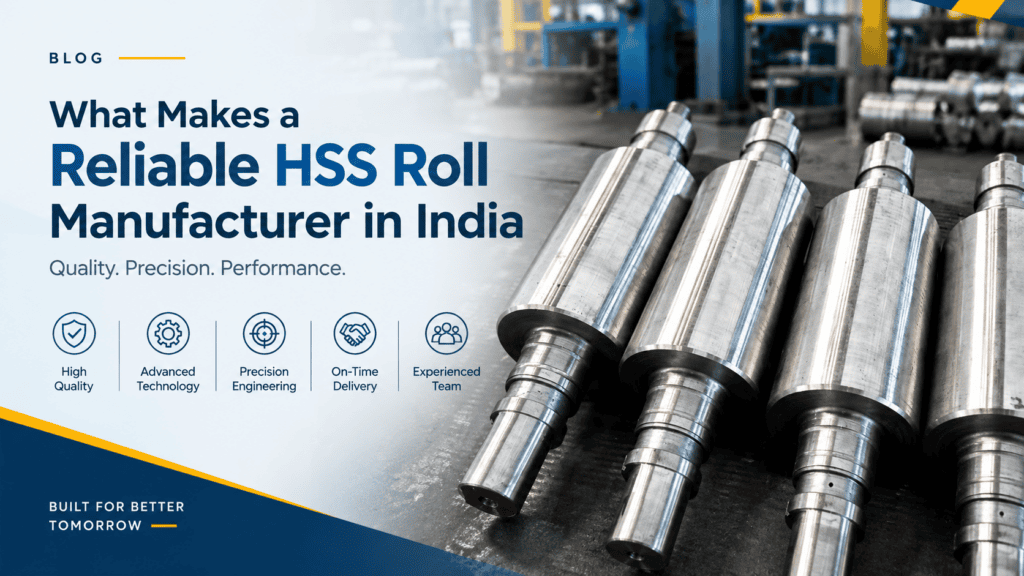
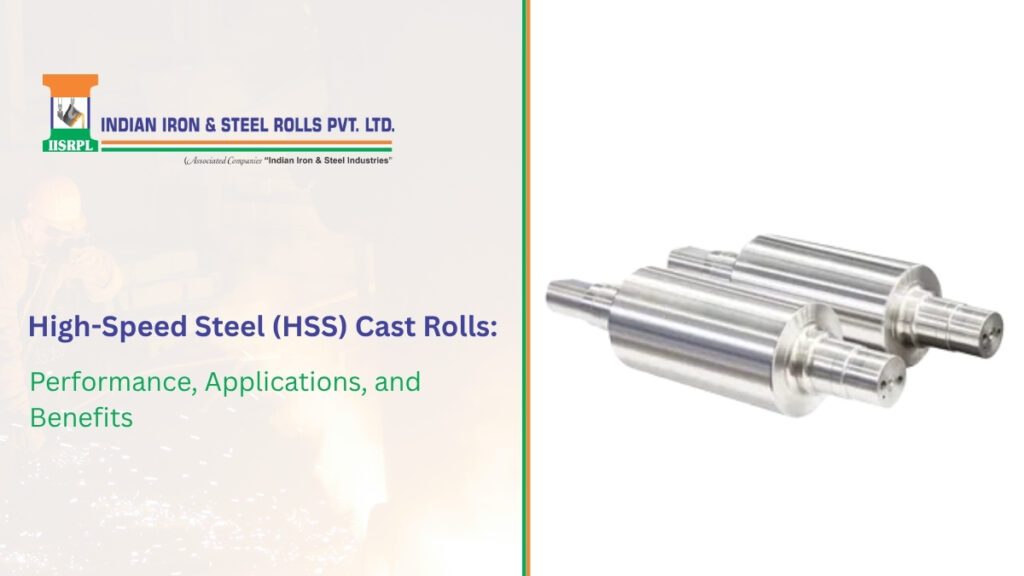
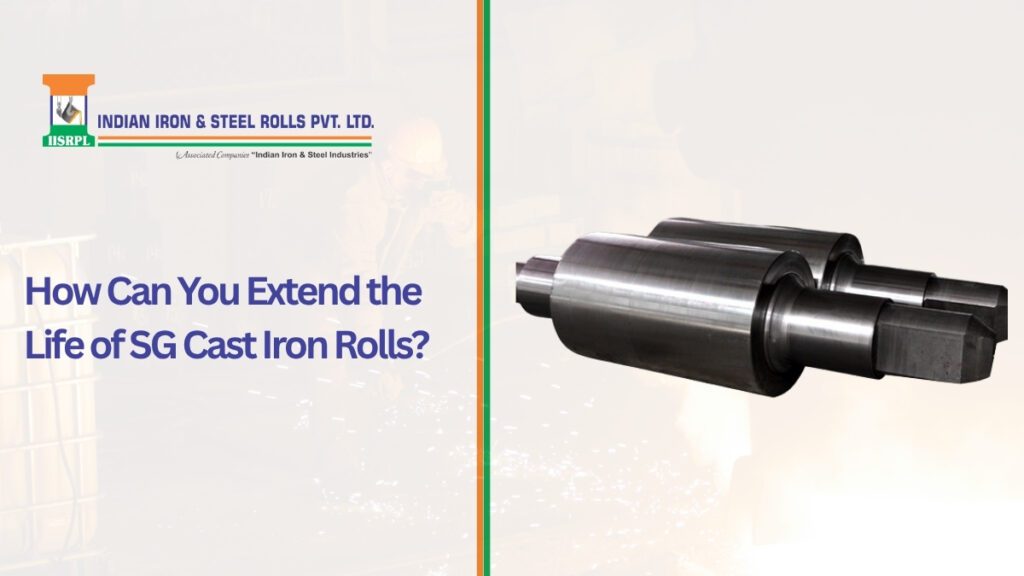
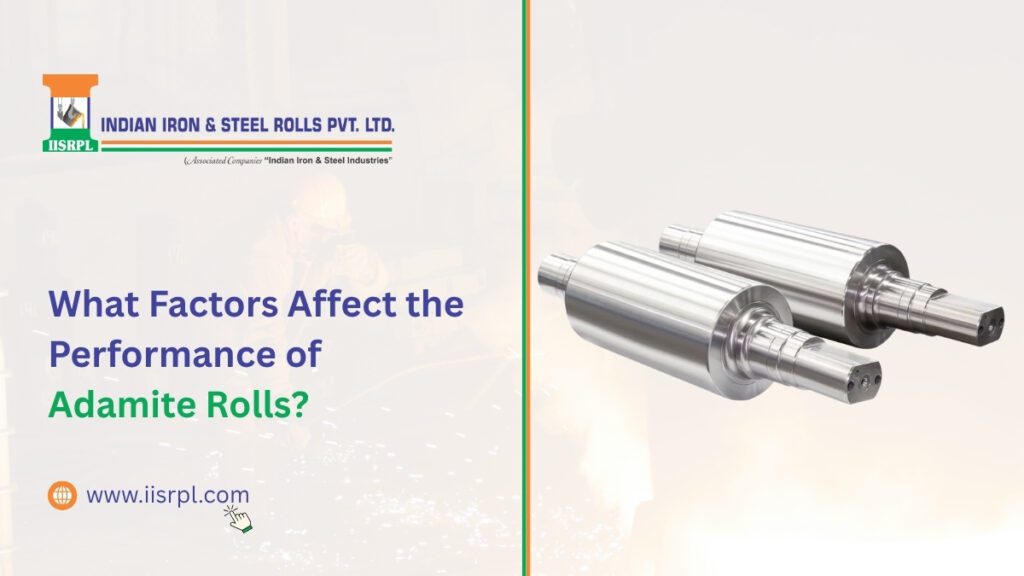
A chilled cast iron roll is a type of rolling mill roll manufactured by rapidly cooling the outer surface during casting. This process creates a hard, wear-resistant outer layer known as the chill, while the core remains tougher and more ductile. The combination of a hard shell and strong core enables these rolls to withstand heavy rolling loads while maintaining excellent surface quality.
Chilled cast iron rolls are commonly used in:
- Steel rolling mills
- Bar and rod mills
- Section mills
- Tube mills
- Non-ferrous metal rolling
- Structural steel production
Advantages of Chilled Cast Iron Rolls
Exceptional Wear Resistance
The hardened outer layer significantly reduces wear, increasing roll life and lowering replacement costs.
Superior Surface Finish
These rolls provide smooth and consistent finishes, improving the quality of rolled products.
High Hardness
Chilled cast iron rolls maintain hardness over extended production runs, making them suitable for high-volume manufacturing.
Cost-Effective Performance
Longer service life and reduced maintenance contribute to lower operating costs.
Dimensional Accuracy
Consistent hardness helps maintain precise dimensions and tight production tolerances.
Why Choosing the Right Manufacturer Matters
The performance of a chilled cast iron roll depends not only on its design but also on the manufacturer’s expertise, raw materials, casting process, heat treatment, and quality control. A trusted manufacturer ensures consistent product quality and reliable performance.
Factors to Consider When Choosing a Chilled Cast Iron Roll Manufacturer
1. Manufacturing Experience
Choose a manufacturer with extensive experience in producing rolling mill rolls. Experienced manufacturers understand the unique requirements of different rolling applications and can recommend suitable roll grades.
2. High-Quality Raw Materials
Premium-grade pig iron, alloying elements, and carefully selected raw materials contribute to stronger, more durable rolls with improved wear resistance.
3. Advanced Manufacturing Technology
Modern manufacturing facilities equipped with automated molding, controlled casting, precision machining, and advanced heat treatment deliver superior roll quality and consistency.
4. Strict Quality Control
Reliable manufacturers implement comprehensive inspections throughout production, including:
- Chemical composition analysis
- Hardness testing
- Ultrasonic testing
- Dimensional inspection
- Surface finish evaluation
- Microstructure examination
These quality checks help ensure every roll meets industry standards.
5. Custom Manufacturing Capabilities
Different rolling mills require rolls with varying dimensions, hardness levels, and alloy compositions. A manufacturer that offers customized solutions can better meet specific production needs.
6. Technical Support
A dependable manufacturer provides technical guidance on roll selection, installation, maintenance, and performance optimization.
7. On-Time Delivery
Timely delivery minimizes production downtime and supports uninterrupted mill operations.
8. Industry Certifications
Manufacturers certified to recognized quality management standards demonstrate their commitment to consistent manufacturing practices and continuous improvement.
Applications of Chilled Cast Iron Rolls
Chilled cast iron rolls are widely used across numerous industries, including:
- Steel manufacturing
- Iron and steel rolling mills
- Pipe and tube manufacturing
- Automotive component production
- Construction materials
- Metal fabrication
- Engineering industries
Signs of a Reliable Chilled Cast Iron Roll Manufacturer
A trustworthy manufacturer typically offers:
- Proven manufacturing expertise
- Modern production facilities
- Experienced engineering team
- Consistent product quality
- Competitive pricing
- Customized roll solutions
- Excellent customer support
- Fast delivery schedules
- Global export capabilities
Maintenance Tips for Longer Roll Life
Proper maintenance can significantly improve roll performance:
- Inspect rolls before installation.
- Follow recommended operating parameters.
- Avoid excessive rolling loads.
- Maintain proper cooling during operation.
- Regrind rolls using recommended procedures.
- Store rolls in a clean, dry environment.
- Perform regular inspections for wear and damage.
Future Trends in Chilled Cast Iron Roll Manufacturing
The rolling mill industry continues to evolve with new manufacturing technologies. Modern chilled cast iron roll manufacturers are increasingly adopting:
- Advanced alloy compositions
- Automated casting systems
- Precision CNC machining
- Digital quality monitoring
- Improved heat treatment techniques
- Sustainable manufacturing practices
These innovations improve roll performance, durability, and production efficiency.
Conclusion
Choosing the right chilled cast iron roll manufacturer is essential for achieving reliable rolling performance, reduced maintenance costs, and consistent product quality. A manufacturer with extensive experience, advanced manufacturing capabilities, strict quality control, and strong technical support can help maximize productivity while extending roll service life.
Before making a purchase, evaluate the manufacturer’s expertise, production technology, quality assurance processes, customization capabilities, and customer service. Investing in high-quality chilled cast iron rolls today contributes to improved operational efficiency, lower lifecycle costs, and long-term success for your rolling mill.