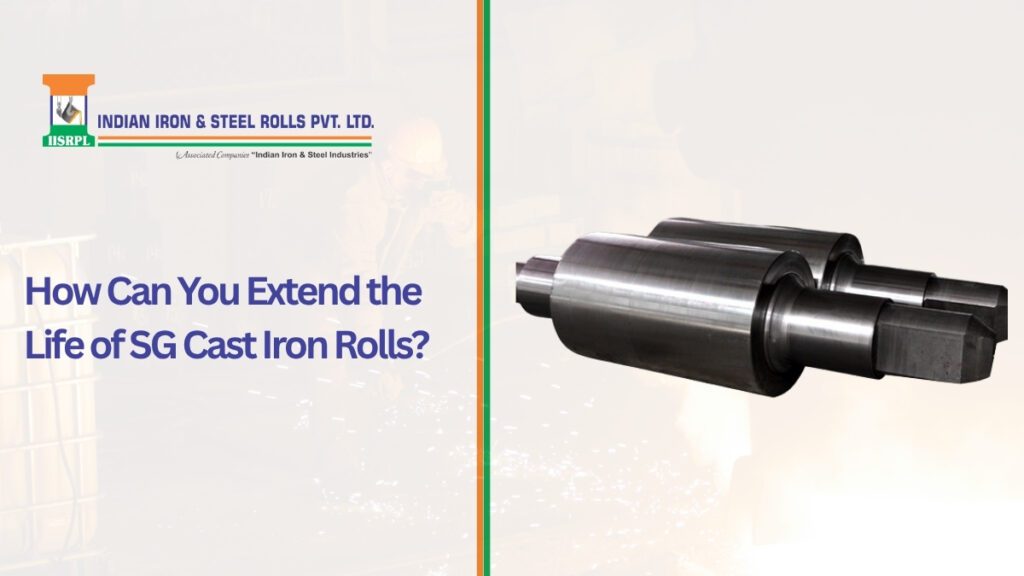
SG cast iron rolls are widely used in rolling mills because of their excellent combination of strength, wear resistance, toughness, and good surface performance. However, like any industrial component, the service life of an SG cast iron roll depends heavily on how it is selected, installed, operated, and maintained.
Premature roll failure can result in increased production costs, unexpected downtime, poor surface quality, and frequent roll replacement. The good news is that several practical measures can help extend the working life of SG cast iron rolls.
1. Choose the Right SG Cast Iron Roll for the Application
The first step toward extending roll life is selecting a roll that matches the specific rolling application. Different rolling conditions require different combinations of hardness, strength, wear resistance, and toughness.
Before selecting an SG cast iron roll, consider factors such as:
- Type of rolling mill
- Rolling material and grade
- Rolling temperature
- Rolling load and speed
- Reduction per pass
- Required surface finish
- Cooling conditions
- Expected wear resistance
Using the correct roll grade for the operating conditions can significantly reduce premature wear, cracking, and thermal damage.
2. Maintain Proper Cooling
Cooling plays an important role in SG cast iron roll performance. Excessive or uneven thermal stress can cause surface defects, thermal cracks, and premature deterioration.
The cooling system should provide uniform cooling across the working surface. Operators should regularly check:
- Cooling-water flow rate
- Water pressure
- Nozzle condition
- Spray pattern
- Water temperature
- Blocked or damaged cooling lines
Uneven cooling can create temperature differences across the roll surface, increasing thermal stress. Properly maintained cooling helps control roll temperature and reduces the risk of thermal cracking.
3. Control Rolling Temperature
Operating conditions have a direct effect on roll life. Excessive rolling temperatures can accelerate surface deterioration and increase thermal stress.
Maintaining appropriate rolling temperatures helps minimize thermal shock and prevents unnecessary damage to the roll surface. Temperature monitoring should therefore be part of routine mill operation.
Where possible, avoid sudden changes in temperature and operating conditions, particularly during mill start-up and shutdown.
4. Avoid Excessive Rolling Loads
Excessive rolling loads can place significant mechanical stress on the roll. Continuous operation beyond the recommended load can contribute to cracking, chipping, spalling, or other forms of damage.
Rolling schedules should be designed according to the capacity of the roll and the requirements of the mill. Operators should monitor abnormal increases in rolling force and investigate their causes rather than allowing excessive loads to continue.
Stable and controlled rolling conditions generally contribute to longer roll service life.
5. Maintain Proper Roll Alignment
Correct roll alignment is essential for uniform loading and wear. Misalignment can create uneven pressure across the roll, causing localized wear and increasing mechanical stress.
Regularly inspect:
- Roll alignment
- Bearings
- Chocks
- Roll necks
- Mill housing
- Drive components
Correct alignment helps distribute the rolling load more evenly and can prevent premature wear on specific areas of the roll.
6. Use Proper Lubrication and Bearing Maintenance
Although the working surface receives most of the attention, the roll necks and bearings are equally important to reliable operation.
Poor lubrication or damaged bearings can increase friction, vibration, and heat. These conditions may eventually affect the roll itself.
Follow the recommended lubrication schedule and regularly inspect bearings for signs of:
- Excessive temperature
- Vibration
- Noise
- Lubricant contamination
- Abnormal wear
Preventive maintenance of supporting components can help protect the roll and reduce unexpected failures.
7. Monitor Roll Surface Condition
Regular inspection is one of the simplest ways to extend roll life. Small defects can often be corrected before they develop into major problems.
Inspect the roll surface for:
- Cracks
- Chipping
- Spalling
- Excessive wear
- Surface roughness
- Thermal checking
- Localized damage
Roll inspection should be carried out at appropriate intervals based on the operating conditions. Non-destructive testing methods may also be considered when required to identify subsurface or early-stage defects.
8. Follow Proper Grinding and Dressing Practices
Grinding is commonly used to restore the roll surface and remove defects. However, improper grinding can shorten roll life rather than extend it.
Excessive grinding removes unnecessary material and reduces the usable diameter of the roll. Insufficient grinding, on the other hand, may leave defects on the surface.
A controlled grinding process should therefore be followed, with attention to:
- Grinding depth
- Grinding speed
- Surface temperature
- Roll profile
- Required surface finish
- Defect removal
The objective should be to remove only the damaged or worn material while maintaining the required roll profile.
9. Prevent Mechanical and Thermal Shock
Sudden changes in operating conditions can be particularly harmful to cast iron rolls. Rapid heating, cooling, impact loading, or sudden changes in rolling force can increase the risk of cracking.
Whenever possible, use controlled start-up and shutdown procedures. Avoid introducing damaged or unsuitable material into the mill, as unexpected impact loads can cause serious roll damage.
Stable operating practices are essential for maximizing roll performance.
10. Store Rolls Correctly
Roll life can also be affected by storage conditions before installation. Spare rolls should be stored in a clean, dry, and protected environment.
During storage:
- Protect the roll from moisture and corrosion.
- Avoid direct contact with the ground.
- Use suitable supports.
- Prevent accidental impact or mechanical damage.
- Protect machined surfaces and roll necks.
- Follow the manufacturer’s storage recommendations.
Proper storage ensures that a new or refurbished roll is not damaged before it even enters service.
11. Keep Accurate Roll Performance Records
Maintaining a roll history can help identify the causes of premature wear and improve future roll selection.
Useful information includes:
- Number of rolling hours
- Tonnage rolled
- Rolling temperatures
- Grinding history
- Wear measurements
- Surface defects
- Number of campaigns
- Cooling conditions
- Maintenance activities
Analyzing this information can help operators identify patterns and determine which operating conditions produce the best roll life.
12. Work With a Reliable Roll Manufacturer
The quality of the SG cast iron roll itself has a major influence on service life. A reliable manufacturer should provide rolls manufactured according to the required specifications and application conditions.
When sourcing SG cast iron rolls, consider the manufacturer’s experience, production capabilities, quality-control procedures, material specifications, dimensional accuracy, and technical support.
A manufacturer with knowledge of rolling mill applications can also help recommend the appropriate roll grade and operating parameters.
Conclusion
Extending the life of SG cast iron rolls is not dependent on a single factor. It requires a combination of correct roll selection, controlled operating conditions, effective cooling, proper alignment, regular inspection, timely grinding, and preventive maintenance.
By monitoring roll performance and addressing small problems before they become major failures, rolling mills can reduce unexpected downtime, control maintenance costs, improve product quality, and achieve better roll consumption.
Ultimately, the best approach is to treat SG cast iron rolls as a critical part of the overall rolling process rather than simply as replaceable components. Proper selection, operation, and maintenance can significantly improve their service life and overall mill efficiency.