Introduction
In today’s highly competitive steel and metal processing industry, manufacturers constantly seek technologies that improve productivity, reduce operational costs, and enhance product quality. Among the innovations transforming rolling mill operations, graphitic steel rolls have emerged as a reliable and high-performance solution. Combining the strength of steel with the self-lubricating and heat-resistant properties of graphite, these advanced rolls are redefining efficiency in modern rolling mills.
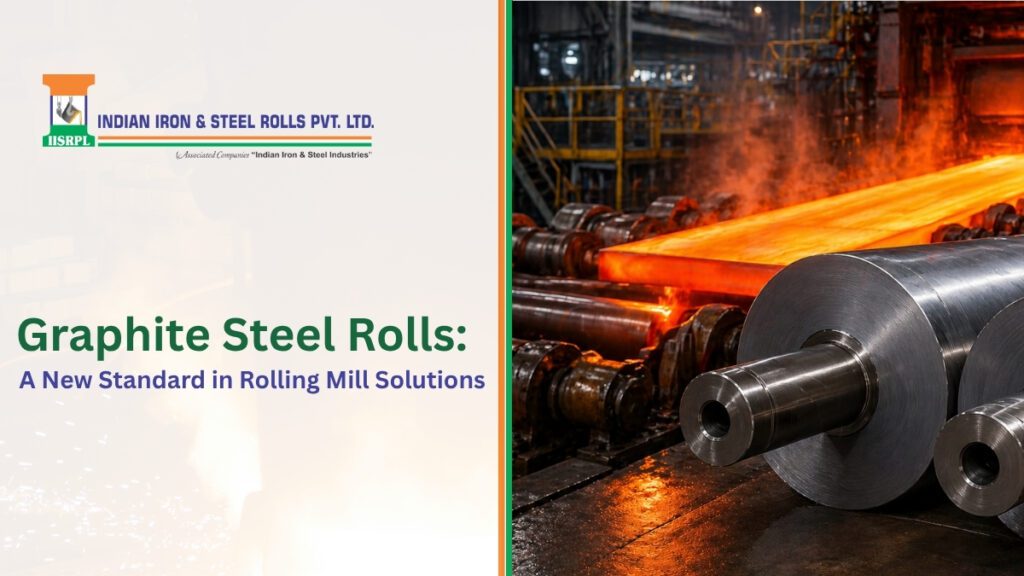
From superior wear resistance to enhanced thermal stability, graphitic steel rolls provide a powerful answer to the growing demands of high-speed and precision metal rolling operations. This blog explores what graphitic steel rolls are, their advantages, applications, manufacturing process, and why they are becoming the preferred choice across industries.
What Are Graphitic Steel Rolls?
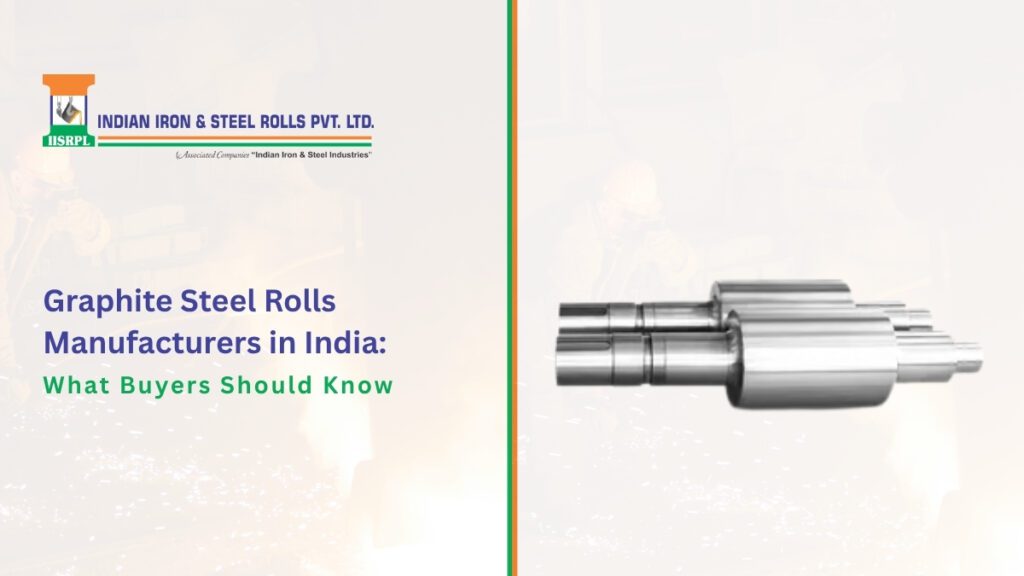
Graphitic steel rolls are specially engineered rolling mill rolls that contain finely distributed graphite particles within a steel matrix. This unique microstructure combines the mechanical strength of steel with the lubricating characteristics of graphite.
Unlike conventional steel rolls, graphitic steel rolls offer:
- Improved thermal conductivity
- Better resistance to cracking
- Reduced friction during rolling
- Enhanced wear resistance
- Longer operational life
These rolls are designed to perform under extreme temperatures, heavy loads, and continuous industrial operations.
The Role of Rolling Mill Rolls in Industry
Rolling mill rolls are critical components in metal processing industries. They shape, compress, and reduce the thickness of metals such as:
- Steel
- Aluminum
- Copper
- Brass
- Stainless steel
The performance of rolling mill rolls directly impacts:
- Product surface quality
- Production speed
- Energy efficiency
- Maintenance frequency
- Manufacturing costs
As rolling speeds and production demands increase, industries require rolls capable of maintaining consistent performance under intense operational conditions. This is where graphitic steel rolls excel.
Key Features of Graphitic Steel Rolls
1. Superior Wear Resistance
One of the biggest challenges in rolling mills is roll wear. Continuous contact with heated metal surfaces leads to abrasion and material degradation.
Graphitic steel rolls provide exceptional wear resistance due to their hardened steel matrix. The graphite particles reduce surface friction, minimizing wear and extending roll lifespan.
Benefits:
- Lower replacement frequency
- Reduced downtime
- Lower maintenance costs
2. Self-Lubricating Properties
Graphite naturally acts as a solid lubricant. During operation, the graphite embedded in the roll structure reduces friction between the roll and metal surface.
This feature helps:
- Reduce surface damage
- Improve product finish
- Lower operating temperatures
- Minimize lubrication requirements
The self-lubricating capability is especially beneficial in high-speed rolling applications.
3. Excellent Thermal Stability
Rolling mills operate under extremely high temperatures. Thermal stress often causes conventional rolls to crack or deform.
Graphitic steel rolls possess:
- High thermal conductivity
- Better heat dissipation
- Reduced thermal fatigue
This improves operational stability and prevents premature roll failure.
4. Enhanced Surface Finish
Modern industries demand precision and high-quality surface finishes. Graphitic steel rolls help maintain smooth rolling surfaces, producing superior finished products with fewer defects.
Industries benefit from:
- Better dimensional accuracy
- Reduced surface imperfections
- Improved product consistency
5. High Resistance to Thermal Cracking
Repeated heating and cooling cycles create thermal fatigue in conventional rolls. Graphitic steel rolls absorb and distribute thermal stress more effectively.
This results in:
- Fewer cracks
- Improved structural integrity
- Longer service life
Manufacturing Process of Graphitic Steel Rolls
The production of graphitic steel rolls involves advanced metallurgical engineering and precise quality control.
Step 1: Material Selection
Manufacturers select high-grade steel alloys and controlled graphite compositions to achieve desired performance characteristics.
Step 2: Melting and Casting
The steel is melted in induction or electric arc furnaces. Graphite is carefully introduced to create a uniform microstructure.
Step 3: Heat Treatment
Specialized heat treatment processes improve:
- Hardness
- Toughness
- Wear resistance
- Thermal stability
Step 4: Machining and Finishing
The rolls undergo precision machining to achieve exact dimensions and surface finishes.
Step 5: Quality Inspection
Final inspection includes:
- Ultrasonic testing
- Hardness testing
- Surface analysis
- Dimensional accuracy checks
Applications of Graphitic Steel Rolls
Graphitic steel rolls are widely used in various industrial sectors.
1. Hot Rolling Mills
These rolls withstand extreme temperatures and heavy loads, making them ideal for hot rolling operations.
Used for:
- Structural steel
- Rails
- Plates
- Bars
2. Cold Rolling Mills
In cold rolling, surface quality and dimensional precision are critical. Graphitic steel rolls help maintain consistent performance.
Applications:
- Automotive sheets
- Stainless steel strips
- Precision metal components
3. Tube and Pipe Manufacturing
The durability and smooth surface finish of graphitic steel rolls improve tube quality and production efficiency.
4. Aluminum Processing
Aluminum rolling operations benefit from reduced friction and enhanced surface quality.
5. Copper and Non-Ferrous Metal Rolling
Graphitic steel rolls support high-precision rolling for softer metals requiring excellent surface finish control.
Advantages Over Conventional Rolls
| Feature | Conventional Steel Rolls | Graphitic Steel Rolls |
| Wear Resistance | Moderate | High |
| Thermal Stability | Limited | Excellent |
| Friction Reduction | Low | High |
| Surface Finish Quality | Standard | Superior |
| Roll Life | Shorter | Longer |
| Maintenance Frequency | Higher | Lower |
| Crack Resistance | Moderate | Excellent |
Why Industries Are Switching to Graphitic Steel Rolls
Industries are increasingly adopting graphitic steel rolls because they deliver long-term operational advantages.
Reduced Operational Costs
Although the initial investment may be higher, the extended lifespan and reduced maintenance requirements lower overall operating expenses.
Increased Productivity
Less downtime and consistent rolling performance improve production output.
Better Product Quality
Enhanced surface finish and dimensional precision lead to higher-quality products.
Sustainability Benefits
Longer-lasting rolls reduce material waste and energy consumption, supporting sustainable manufacturing practices.
Challenges and Considerations
While graphitic steel rolls offer significant benefits, manufacturers should consider:
- Initial procurement costs
- Proper roll selection for specific applications
- Maintenance best practices
- Compatibility with existing rolling systems
Working with experienced roll manufacturers helps ensure optimal performance and return on investment.
Future of Graphitic Steel Roll Technology
As industrial automation and high-speed manufacturing continue to evolve, graphitic steel rolls are expected to become even more advanced.
Future developments may include:
- Nano-graphite reinforcement
- AI-assisted roll monitoring
- Improved alloy compositions
- Smart thermal management systems
- Enhanced surface engineering technologies
These innovations will further improve efficiency, durability, and sustainability in rolling mill operations.
Conclusion
Graphitic steel rolls represent a major advancement in rolling mill technology. Their superior wear resistance, thermal stability, self-lubricating properties, and extended operational life make them a valuable investment for modern metal processing industries.
As manufacturers continue to prioritize productivity, precision, and cost efficiency, graphitic steel rolls are rapidly becoming the new industry standard. Businesses that adopt this technology can achieve better product quality, lower maintenance costs, and improved long-term operational performance.
In an industry where reliability and efficiency are critical, graphitic steel rolls are proving to be a game-changing solution for the future of rolling mill operations.