Introduction
Choosing the right roll material is essential for achieving efficiency, durability, and consistent output in rolling mills. While several roll grades are available, Adamite rolls are widely preferred due to their balanced mechanical properties.
In this blog, we compare Adamite rolls with other commonly used roll materials to help you determine the best choice for your rolling mill operations.
What Are Adamite Rolls?
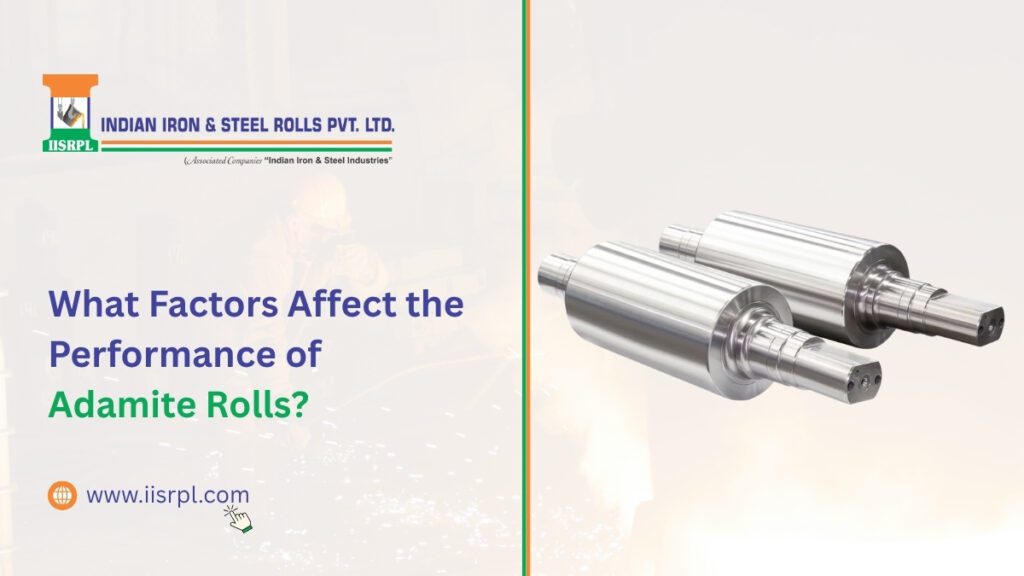
Adamite rolls are alloy steel rolls that offer a unique combination of strength, toughness, and wear resistance. They are designed to bridge the gap between cast iron rolls and cast steel rolls, making them suitable for a wide range of rolling applications.
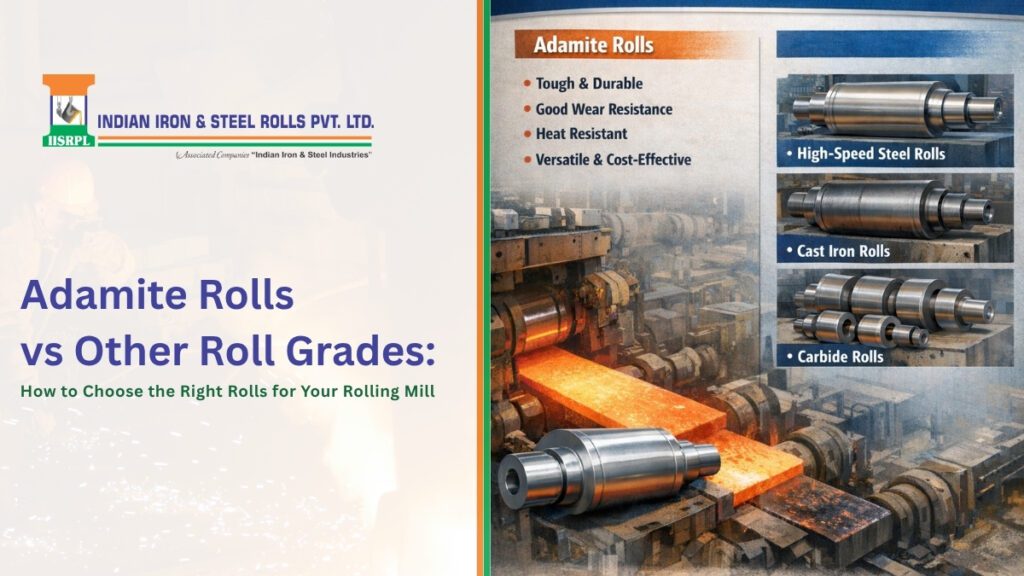
Their composition typically includes carbon along with alloying elements like chromium, nickel, and molybdenum, which enhance their durability and performance under demanding conditions.
Adamite Rolls vs Cast Iron Rolls
Cast Iron Rolls are known for their high wear resistance but tend to be brittle under heavy loads.
Adamite Rolls, on the other hand, provide:
- Better toughness
- Higher resistance to breakage
- Improved performance under heavy rolling conditions
👉 Best Use Case:
Adamite rolls are ideal for roughing and intermediate stands where strength and durability are critical.
Adamite Rolls vs Cast Steel Rolls
Cast Steel Rolls offer high strength but lower wear resistance.
- Better wear resistance
- Improved hardness
- Balanced mechanical performance
👉 Best Use Case:
Alloy Steel Rolls are suitable where both wear resistance and strength are required simultaneously.
Key Advantages of Adamite Rolls
1. Balanced Mechanical Properties
Alloy Steel Rolls combine hardness and toughness, making them versatile for different rolling conditions.
2. Improved Wear Resistance
They last longer than traditional cast steel rolls, reducing frequent replacements.
3. Resistance to Thermal Stress
These rolls perform well under high temperatures, minimizing surface cracks and failures.
4. Cost Efficiency
Longer service life and reduced downtime result in lower operational costs.
Applications of Adamite Rolls
Alloy Steel Rolls are widely used in:
- Section mills
- Bar and rod mills
- Roughing stands
- Intermediate stands
Their adaptability makes them a preferred choice for many rolling mill operators.
When Should You Choose Adamite Rolls?
Adamite rolls are the right choice when:
- Your mill operates under high load and temperature
- You need better durability than cast iron rolls
- You want improved wear resistance compared to cast steel rolls
- You aim to reduce maintenance and downtime costs
Conclusion
Adamite rolls offered by IISRPL provide the perfect balance between strength, wear resistance, and cost-effectiveness. Compared to other roll grades, they deliver reliable performance in demanding rolling mill environments.
For rolling mills looking to improve efficiency and extend roll life, Adamite rolls from IISRPL are a smart and practical investment.
Frequently Asked Questions (FAQs)
1. What are Adamite rolls used for?
Adamite rolls are mainly used in rolling mills for roughing and intermediate stands. They are ideal for applications that require a balance of strength, toughness, and wear resistance.
2. What makes Adamite rolls different from cast iron rolls?
Alloy Steel Rolls offer better toughness and resistance to breakage compared to cast iron rolls, which are more brittle but have higher wear resistance.
3. Are Alloy Steel Rolls better than cast steel rolls?
Alloy Steel Rolls provide better wear resistance than cast steel rolls while maintaining good strength, making them a more balanced and cost-effective option for many rolling applications.
4. What are the advantages of using Alloy Steel Rolls from IISRPL?
Alloy Steel Rolls from IISRPL are known for their consistent quality, durability, and reliable performance under high-load and high-temperature conditions, helping reduce downtime and maintenance costs.
5. In which industries are Adamite rolls commonly used?
They are widely used in steel rolling mills, including bar mills, rod mills, and section mills.