Introduction
Forged shafts are essential components in industries where continuous rotation, high torque, and mechanical reliability are non-negotiable. In recent years, forged shaft manufacturers in India have gained strong recognition for supplying cost-effective yet high-quality solutions to both domestic and international markets. This article explores the Indian forged shaft market, buyer expectations, and what makes Indian manufacturers competitive on a global scale.
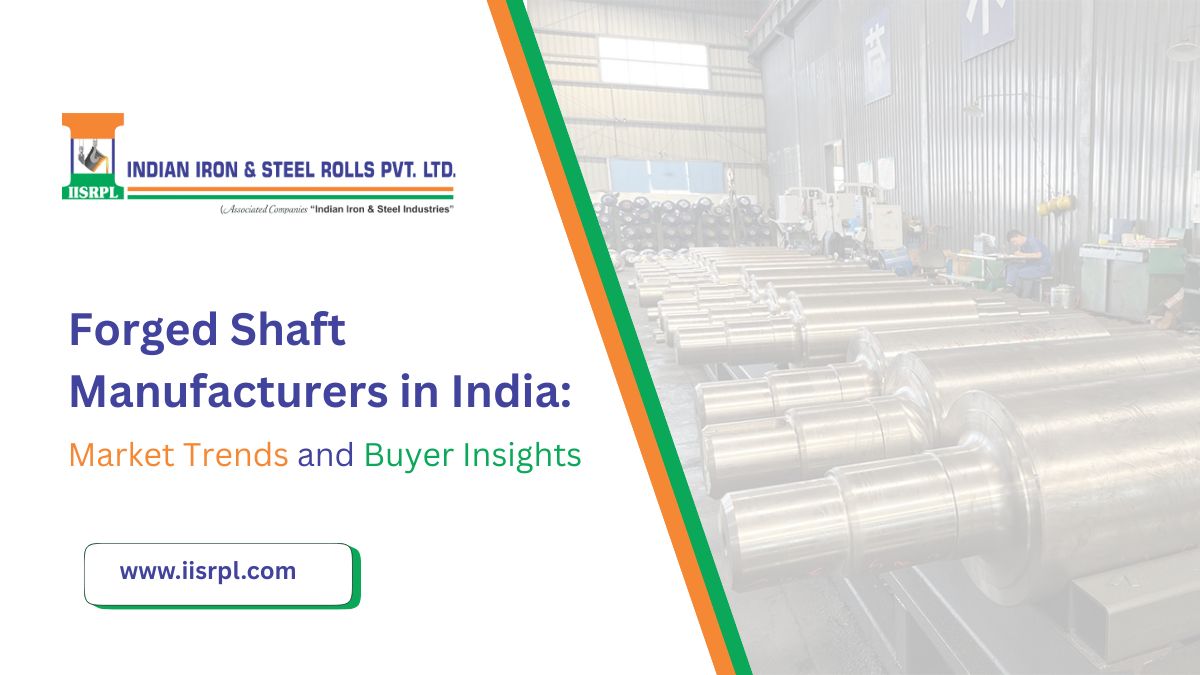
India’s Growing Forged Shaft Manufacturing Ecosystem
India’s industrial growth has driven significant demand for forged shafts across sectors such as steel, infrastructure, energy, and heavy machinery. Supported by advanced forging facilities and skilled manpower, Indian manufacturers have expanded production capabilities to meet modern engineering requirements. Continuous investment in technology and quality systems has strengthened India’s position in the global supply chain.
What Buyers Expect from Forged Shaft Manufacturers
Industrial buyers today focus on more than just product pricing. Key expectations include:
- Consistent mechanical performance
- Stable dimensional accuracy
- Material traceability and testing reports
- Ability to support long-term supply contracts
- Technical assistance during installation and operation
Indian manufacturers are increasingly aligning their production practices to meet these evolving demands.
Material Grades and Engineering Capabilities
Forged shaft manufacturers in India work with a wide range of steel grades to suit different applications. Material selection is driven by operational load, rotational speed, and environmental conditions. Manufacturers also offer shafts with surface treatments and specialized heat treatment cycles to improve wear resistance and service life.
Customization and Project-Based Manufacturing
One of the key strengths of Indian forged shaft manufacturers is customization. Shafts can be manufactured according to drawings, samples, or specific performance requirements. This capability is particularly valuable for rolling mills, power plants, and OEMs that require non-standard dimensions and design features.
Quality Assurance and Compliance
Quality control plays a central role in forged shaft manufacturing. Reputed manufacturers implement multi-stage inspections, including raw material verification, in-process checks, and final testing. Non-destructive testing methods such as ultrasonic testing help ensure internal soundness and long-term reliability.
Why Global Buyers Source Forged Shafts from India
International customers increasingly prefer India due to:
- Competitive manufacturing costs
- Strong metallurgical expertise
- Compliance with international quality standards
- Flexible production volumes
- Reliable export logistics
Companies such as Indian Iron & Steel Rolls Pvt. Ltd. (IISRPL) exemplify this approach by combining quality-focused manufacturing with customer-centric service.
Future Outlook of Forged Shaft Manufacturing in India
As India continues to invest in infrastructure, steel production, and renewable energy, the demand for forged shafts is expected to grow steadily. Manufacturers are focusing on automation, energy-efficient forging practices, and advanced testing methods to remain competitive in global markets.
Conclusion
The rise of forged shaft manufacturers in India reflects the country’s growing strength in heavy engineering and industrial manufacturing. With strong production capabilities, customization options, and quality-driven processes, Indian manufacturers are well-positioned to meet future industrial demands both locally and globally.
FAQs: Forged Shaft Manufacturers in India
1. What factors influence the cost of forged shafts in India?
The cost depends on material grade, shaft size, heat treatment requirements, machining complexity, and order quantity.
2. Are forged shafts suitable for continuous industrial operations?
Yes, forged shafts are designed to handle continuous rotation, high torque, and long operating cycles with minimal fatigue failure.
3. Can forged shafts be supplied with test certificates?
Reputed forged shaft manufacturers in India provide material test certificates, heat treatment records, and inspection reports on request.
4. What is the typical lead time for forged shafts?
Lead time varies based on design complexity and quantity, but most manufacturers deliver within a planned production schedule.
5. Do Indian manufacturers support export requirements?
Yes, many manufacturers comply with export packaging, documentation, and international quality standards.
6. Which industries benefit most from forged shafts?
Industries such as steel rolling, power generation, mining, cement, and heavy engineering benefit significantly from forged shaft applications.