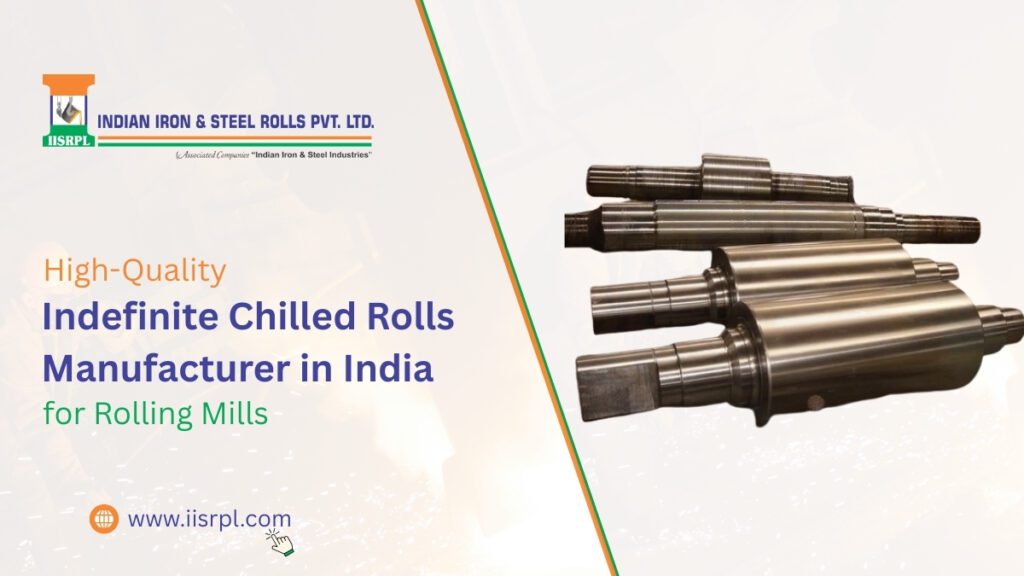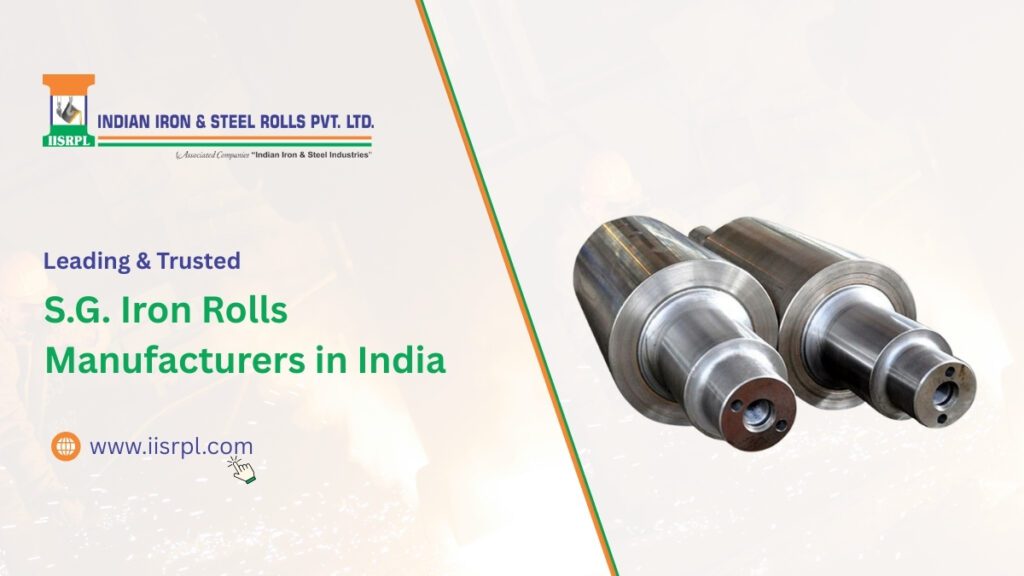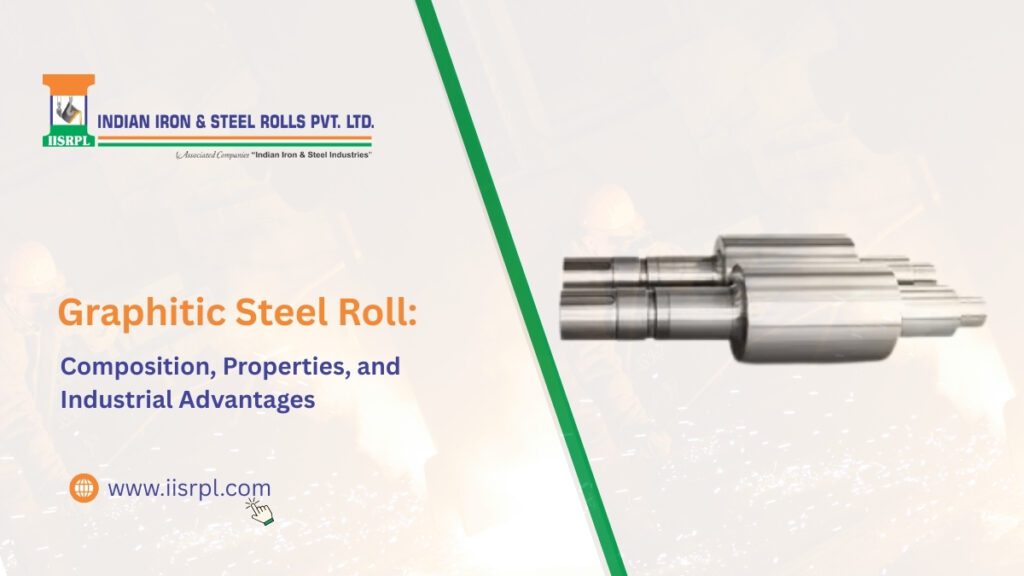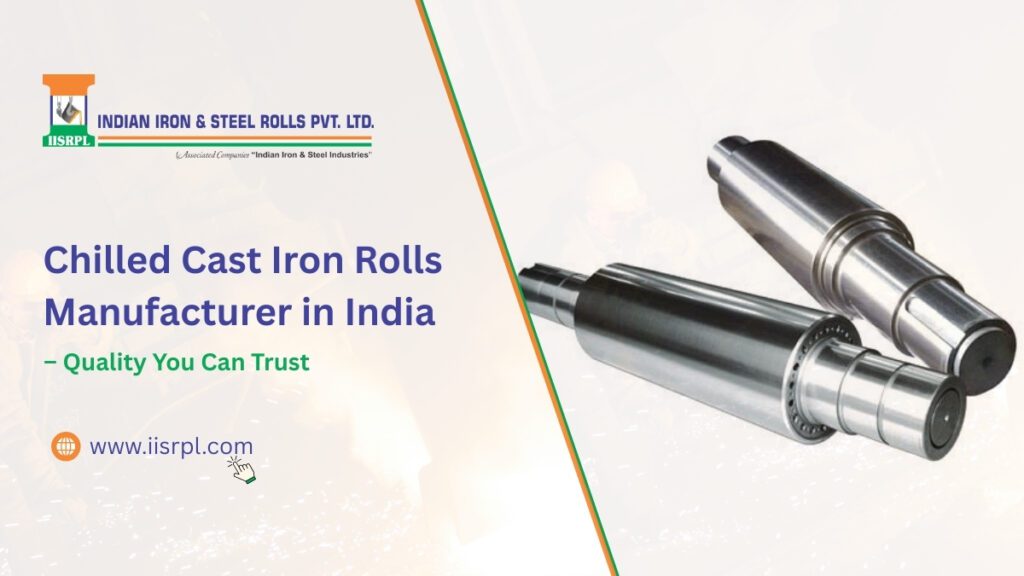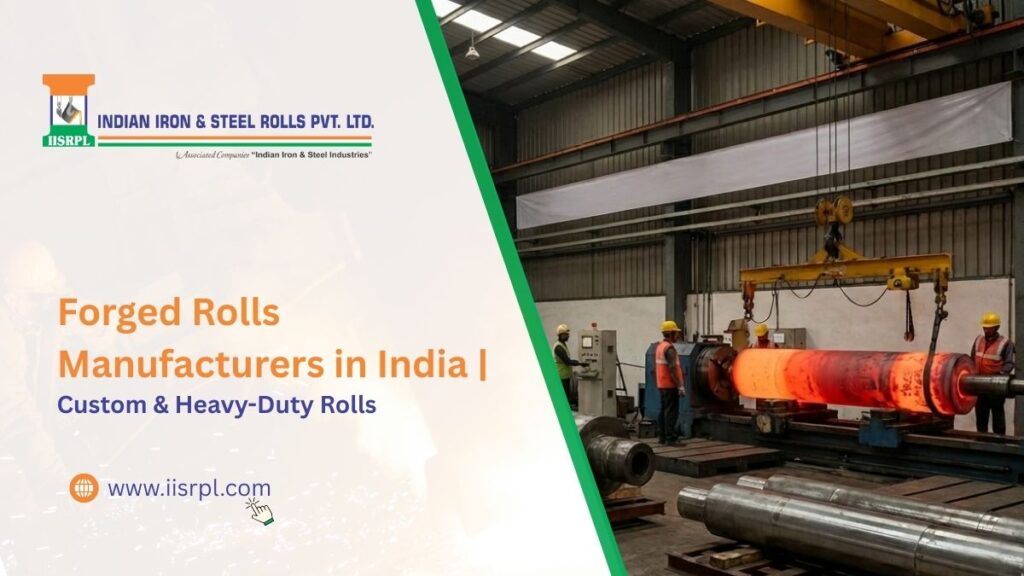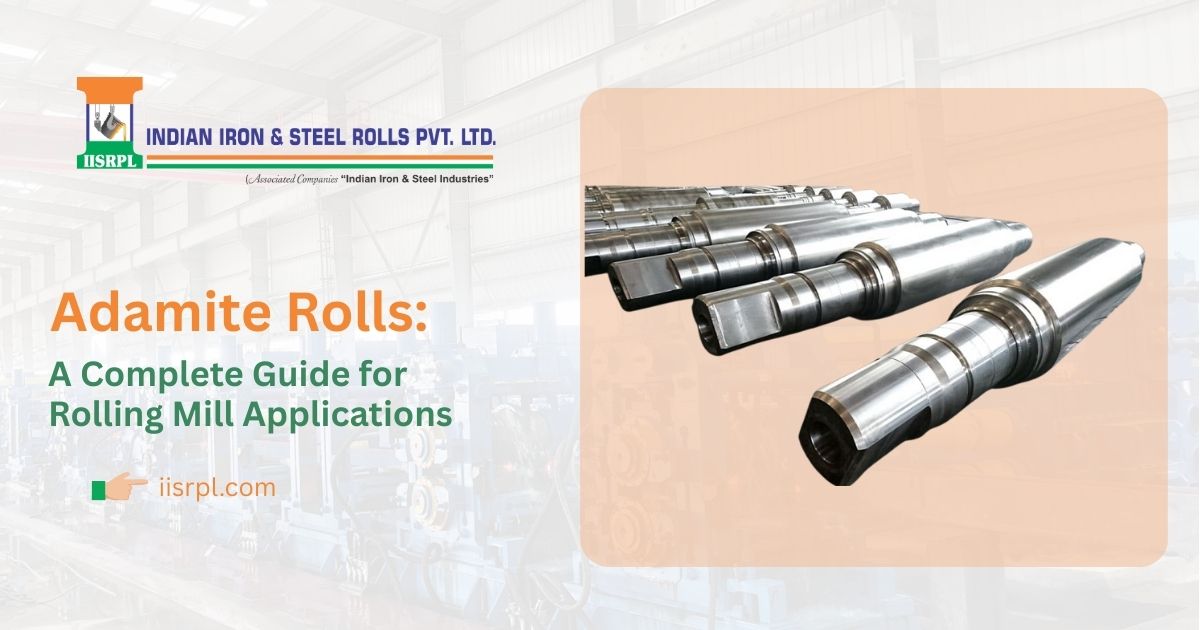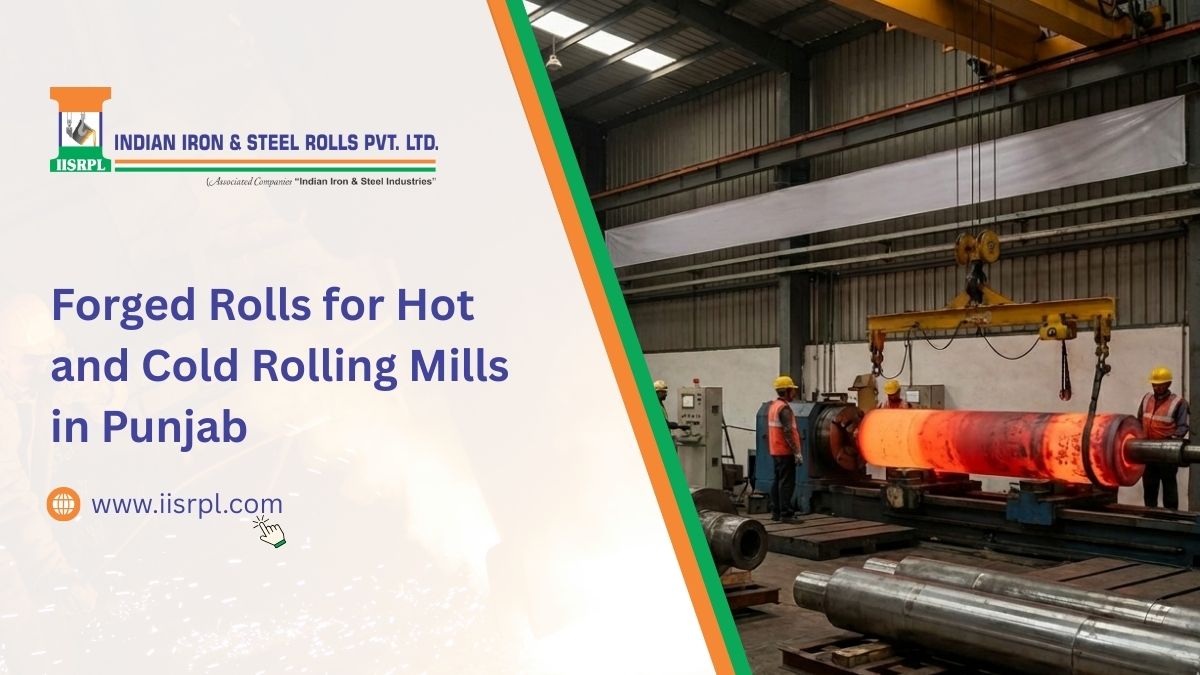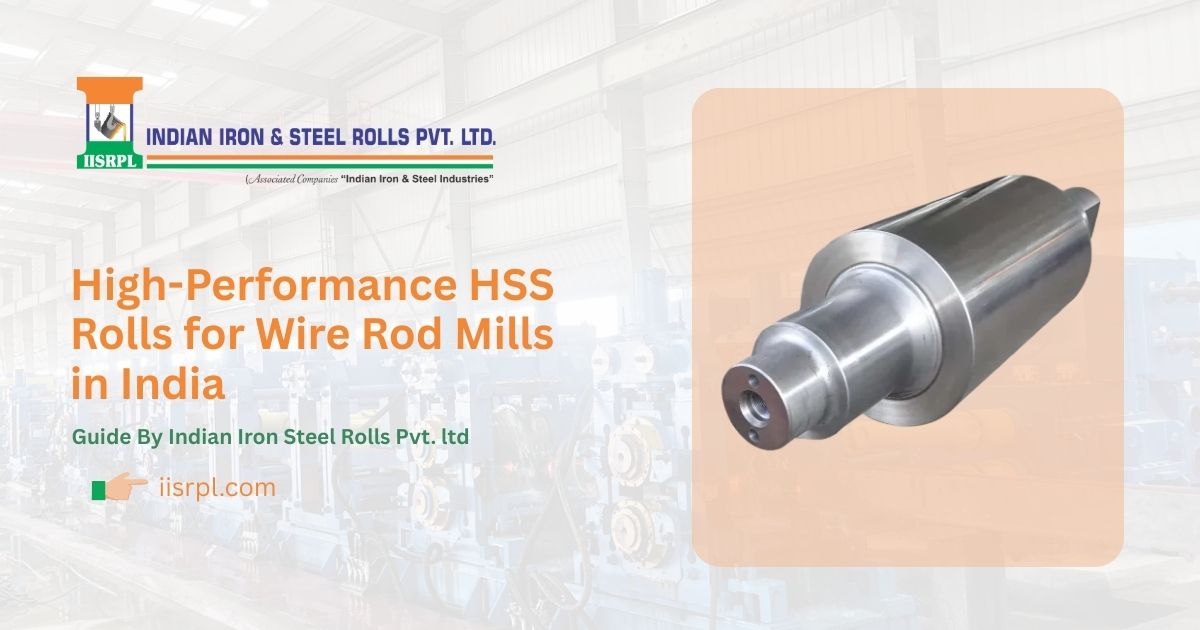
Forged rolls are mission-critical components in rolling mills, directly affecting product quality, mill uptime, and operating cost.
Based on practical manufacturing and supply experience in rolling mill components, buyers often face challenges such as incorrect material selection, premature roll failure, and inconsistent performance when sourcing forged rolls.
This technical buyer’s guide for 2026 explains forged rolls, their applications, manufacturing process, and—most importantly—how to evaluate forged rolls manufacturers in India based on quality, metallurgy, and long-term performance rather than price alone.
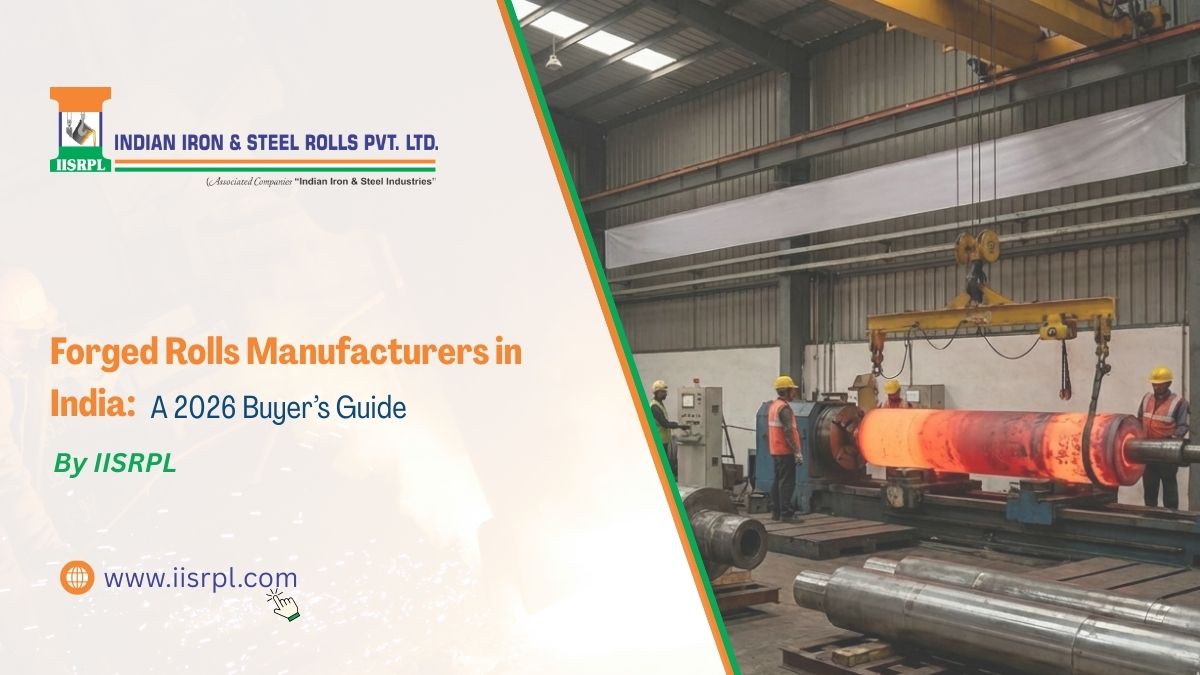
This buyer’s guide will help you understand forged rolls, their applications, manufacturing process, and how to choose the right forged rolls manufacturer in India.
What Are Forged Rolls?
Forged rolls are cylindrical tools manufactured through a forging process that enhances the metal’s internal grain structure. Unlike cast rolls, forged rolls offer better mechanical properties such as higher toughness, improved fatigue resistance, and longer service life.
These rolls are widely used in:
- Steel rolling mills
- Aluminum and copper rolling plants
- Paper and textile industries
- Heavy engineering and manufacturing units
Why Choose Forged Rolls Manufacturers in India?
India has become a preferred sourcing destination for forged rolls due to several advantages:
- Advanced Manufacturing Capabilities: Indian manufacturers use modern forging presses, CNC machining, and heat treatment facilities.
- Cost Efficiency: Competitive pricing without compromising on quality.
- Global Standards: Compliance with international standards like ASTM, DIN, EN, and ISO.
- Customization: Ability to manufacture rolls as per specific dimensions, grades, and applications.
- Strong Export Presence: Indian forged rolls are exported to Europe, the Middle East, Africa, and Southeast Asia.
Types of Forged Rolls Available in India
Forged rolls manufacturers in India offer a wide range of products, including:
1. Work Rolls: Used directly in metal deformation processes, offering high surface hardness and wear resistance.
2. Backup Rolls: Provide support to work rolls and ensure uniform pressure distribution during rolling operations.
3. Pinion Shafts and Forged Shafts: Commonly supplied along with forged rolls for rolling mill assemblies.
4. Special Alloy Forged Rolls: Manufactured using alloy steels such as Cr, Ni, Mo, and V for high-temperature and high-load applications.
Common Mistakes Buyers Make When Choosing Forged Rolls
Despite the availability of experienced forged rolls manufacturers in India, buyers often encounter performance issues due to incorrect evaluation during procurement. Understanding these common mistakes helps avoid costly downtime and frequent roll replacements.
1. Selecting Hardness Without Considering Operating Conditions
Higher hardness does not always mean better performance. Rolls operating in high-impact or variable load conditions require balanced toughness and fatigue resistance, not just surface hardness.
2. Ignoring Grain Flow Direction
Proper forging ensures directional grain flow aligned with roll loading. Poorly forged rolls with inconsistent grain flow are more prone to cracking and early failure.
3. Focusing Only on Initial Cost
Lower-priced forged rolls may compromise on heat treatment, inspection, or alloy composition. Lifecycle cost—including regrinding cycles and service life—is a more reliable evaluation metric.
4. Overlooking Heat Treatment Capabilities
Uniform heat treatment directly affects roll performance. Buyers should verify quenching, tempering, and stress-relieving processes rather than assuming standard treatment.
5. Not Evaluating After-Sales Support
Reliable manufacturers provide technical support, performance feedback, and regrinding guidance. Lack of after-sales support often leads to suboptimal roll utilization.
Key Factors to Consider When Buying Forged Rolls
Before selecting a forged rolls manufacturer in India, consider the following:
✔ Material Grade
Ensure the manufacturer offers suitable steel grades for your rolling application.
✔ Manufacturing Experience
Choose manufacturers with proven experience in rolling mill components.
✔ Quality Certifications
Look for ISO-certified companies with in-house testing facilities.
✔ Customization Capability
Ability to produce rolls as per drawings, specifications, and operating conditions.
✔ After-Sales Support
Technical support, regrinding services, and performance guidance add long-term value.
Applications of Forged Rolls
Forged rolls manufactured in India are used across industries such as:
- Hot and cold rolling mills
- Structural steel plants
- Aluminum foil and sheet mills
- Paper and pulp industries
- Heavy machinery manufacturing
Future of Forged Rolls Manufacturing in India
With increasing demand for high-quality steel and infrastructure development, the forged rolls industry in India is poised for steady growth. Adoption of automation, improved metallurgy, and focus on exports continue to strengthen India’s position in the global market.
Conclusion
Choosing the right forged rolls manufacturer in India is crucial for operational efficiency, product quality, and long-term cost savings. By understanding the types, manufacturing process, and key buying factors, buyers can make informed procurement decisions. Buyers should evaluate forged rolls manufacturers based on technical capability, quality control systems, and long-term operational support to ensure consistent rolling mill performance.
Frequently Asked Questions (FAQs)
1. Why choose forged rolls over cast rolls?
Forged rolls offer higher strength, better fatigue resistance, and longer service life than cast rolls.
2. Which industries use forged rolls?
Forged rolls are used in steel, aluminum, copper, paper, textile, and heavy engineering industries.
3. What materials are used to manufacture forged rolls?
They are made from carbon steel and alloy steels with elements like Cr, Ni, and Mo.
4. How to choose the right forged rolls manufacturer in India?
Select a manufacturer with experience, certifications, customization capability, and strong quality control like IISRPL.
5. Can forged rolls be customized?
Yes, forged rolls can be customized based on size, grade, hardness, and application needs.
6. What is the lifespan of forged rolls?
Forged rolls generally last longer than cast rolls depending on operating conditions and maintenance.